

Hey there! As a supplier of black rubber bands, I often get asked a bunch of questions. One that pops up quite a bit is, "Are black rubber bands heat-resistant?" Well, let's dive right into this topic and find out the deal.
First off, let's understand what rubber bands are made of. Most black rubber bands are crafted from natural rubber or synthetic rubber compounds. Natural rubber comes from the latex of rubber trees, while synthetic rubber is man - made through chemical processes. The color black is usually achieved by adding carbon black, which not only gives the rubber bands their distinct color but also offers some benefits like enhancing UV resistance.
Now, when it comes to heat resistance, it's not a one - size - fits - all answer. Different types of black rubber bands have different heat - handling capabilities.
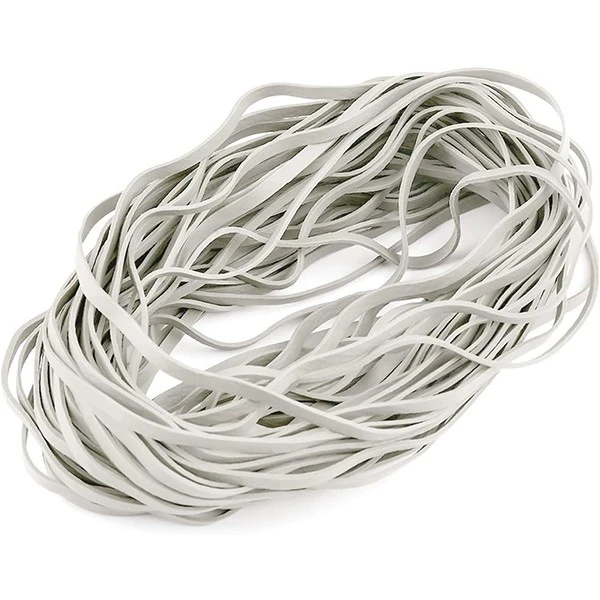
Let's start with Heavy Duty Black Rubber Bands. These bad boys are designed to be tough and durable. They're thicker and stronger compared to regular rubber bands. Due to their construction and the materials used, they can generally withstand a bit more heat than thinner ones.
Typically, heavy - duty black rubber bands can handle temperatures up to around 100 - 120 degrees Celsius (212 - 248 degrees Fahrenheit) for short periods. But if they're exposed to high heat for an extended time, the rubber will start to break down. The heat causes the rubber molecules to become more active, and over time, this can lead to a loss of elasticity. The rubber may become brittle, crack, or even melt in extreme cases.
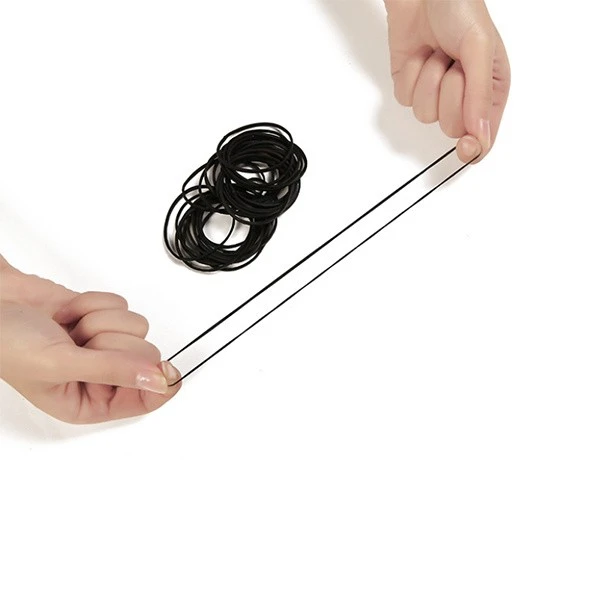
On the other hand, we have Thin Black Rubber Bands. These are more delicate. They're great for light - duty tasks like holding a few sheets of paper together. However, their heat resistance is much lower.
Thin black rubber bands usually start to show signs of damage at temperatures around 60 - 80 degrees Celsius (140 - 176 degrees Fahrenheit). At these temperatures, you might notice them losing their stretchiness and becoming sticky. If the heat gets even higher, they'll quickly degrade and become useless.
Another interesting type is the Black And White Rubber Bands. These are often used for decorative purposes or in arts and crafts. Their heat resistance is similar to that of thin black rubber bands because they're generally made with similar thin - gauge rubber.
So, why does heat affect rubber bands in the first place? Well, rubber is a polymer. Polymers are long chains of molecules. When rubber is heated, the kinetic energy of these molecules increases. The chains start to move around more freely, and the cross - links between the molecules (which give rubber its elasticity) start to break. This is what causes the rubber to lose its shape and properties.
There are also some factors that can influence the heat resistance of black rubber bands. The quality of the rubber used is a big one. Higher - quality rubber, whether natural or synthetic, will usually have better heat - resistant properties. The manufacturing process also plays a role. Rubber bands that are vulcanized (a process that cross - links the rubber molecules more effectively) tend to be more heat - resistant.
Now, you might be wondering where these heat - related issues come up in real - life situations. Well, think about it. If you're using rubber bands to hold something together in a hot environment, like near a radiator or in a car on a sunny day, the heat can cause problems. Or if you're using them in an industrial setting where there's some heat involved, you need to be careful.
For example, in a food - processing plant, if rubber bands are used to secure packaging, and the products are going through a heating or sterilization process, the rubber bands need to be able to withstand the heat without contaminating the food. In this case, you'd definitely want to go for heavy - duty, heat - resistant black rubber bands.
If you're in a creative field, like making jewelry or doing scrapbooking, you need to be aware of the heat sensitivity of thin black rubber bands. For instance, if you're using a heat gun to dry some glue and the rubber bands are nearby, they can get damaged.
So, what can you do to protect your black rubber bands from heat? If possible, keep them in a cool, dry place. Avoid storing them in direct sunlight or near heat sources. If you need to use them in a hot environment, choose the right type of rubber band based on the temperature. For high - heat situations, opt for heavy - duty ones.
As a supplier, I've seen a wide range of uses for black rubber bands, and heat resistance is an important factor for many customers. Whether you're a small business owner, a DIY enthusiast, or an industrial user, understanding the heat - handling capabilities of these rubber bands can save you a lot of headaches.
If you're interested in purchasing black rubber bands for your specific needs, whether it's for light - duty or heavy - duty applications, I'd love to talk to you. We have a great selection of high - quality black rubber bands that can meet your requirements. Just reach out, and we can discuss the best options for you.
References
- "The Science of Rubber" by Rubber Manufacturers Association
- "Polymers and Their Properties" by John Wiley & Sons