

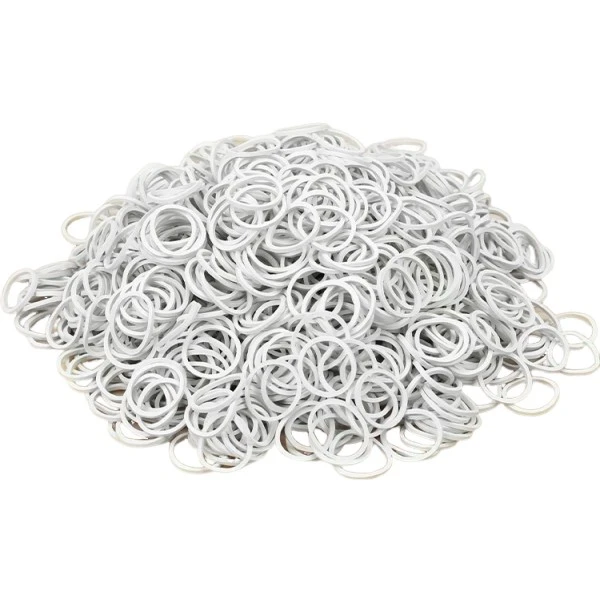
When it comes to small yet mighty tools in various industries and daily life, little rubber bands often take the spotlight. These unassuming items are used for a multitude of purposes, from bundling papers in an office setting to organizing small items in a home. As a supplier of a wide range of little rubber bands, including Small Wide Black Rubber Bands, Ultra-micro Rubber Bands, and Small Wide Rubber Bands, one question that frequently arises from our customers is whether these little rubber bands are UV - resistant.
Understanding UV Radiation and Its Effects on Rubber
To delve into the question of UV resistance, we first need to understand what UV radiation is and how it impacts rubber materials. Ultraviolet (UV) radiation is a type of electromagnetic radiation with wavelengths shorter than visible light. It is divided into three categories: UVA, UVB, and UVC. UVC is mostly absorbed by the Earth's atmosphere, while UVA and UVB reach the surface and can cause damage to various materials, including rubber.
When rubber is exposed to UV radiation, a process called photodegradation occurs. The high - energy UV photons break the chemical bonds in the rubber polymer chains. This leads to a series of changes in the rubber's physical and chemical properties. Physically, the rubber may become brittle, crack, or lose its elasticity over time. Chemically, oxidation reactions can take place, further degrading the rubber structure. These changes not only affect the appearance of the rubber bands but also significantly reduce their functionality. For example, a brittle rubber band may snap easily when stretched, rendering it useless for its intended purpose.
Factors Affecting the UV Resistance of Little Rubber Bands
The UV resistance of little rubber bands depends on several factors.
Rubber Material
The type of rubber used in the manufacturing of the bands plays a crucial role. Natural rubber, which is derived from the latex of rubber trees, is relatively more susceptible to UV damage compared to synthetic rubbers. Synthetic rubbers such as neoprene, EPDM (ethylene propylene diene monomer), and silicone have better inherent UV resistance. Neoprene, for instance, has a chemical structure that is more stable under UV exposure. It contains chlorine atoms in its polymer chains, which help to absorb and dissipate UV energy, reducing the likelihood of bond breakage. EPDM is also known for its excellent weather resistance, including UV resistance, due to its saturated polymer backbone that is less reactive to UV radiation.
Additives
Manufacturers can enhance the UV resistance of rubber bands by adding certain additives. One common additive is carbon black. Carbon black acts as a UV absorber, shielding the rubber polymer from direct UV exposure. It scatters and absorbs the UV photons, preventing them from reaching the rubber chains and causing damage. Other additives, such as antioxidants and UV stabilizers, can also be incorporated. Antioxidants help to prevent oxidation reactions that occur during UV exposure, while UV stabilizers can absorb and dissipate UV energy in a non - destructive way.
Band Thickness
The thickness of the rubber band can also influence its UV resistance. Thicker rubber bands generally have better UV resistance than thinner ones. This is because the outer layer of the rubber band absorbs a significant amount of the UV radiation, and a thicker band has more material to absorb and dissipate the energy before it reaches the inner layers. However, it's important to note that while thickness can provide some protection, it is not a substitute for proper UV - resistant materials and additives.
Our Approach to Ensuring UV Resistance in Little Rubber Bands
As a supplier of little rubber bands, we are committed to providing products with optimal UV resistance.
Material Selection
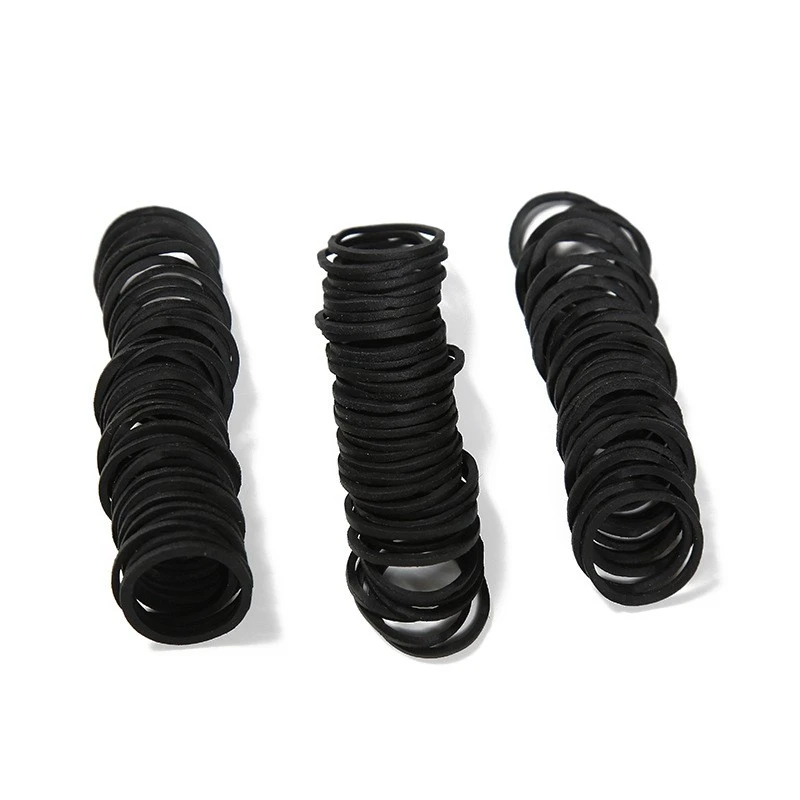
We carefully choose the rubber materials for our bands. For applications where UV exposure is a concern, we often opt for synthetic rubbers like EPDM and neoprene. These materials offer a good balance between cost and performance in terms of UV resistance. For example, our Small Wide Black Rubber Bands are made from high - quality synthetic rubber that provides enhanced protection against UV radiation.
Additive Incorporation
We also incorporate additives into our rubber bands during the manufacturing process. Carbon black is a standard additive in many of our products, as it significantly improves UV resistance. In addition, we use advanced antioxidants and UV stabilizers to further enhance the durability of the bands under UV exposure. Our Ultra - micro Rubber Bands, despite their small size, are formulated with these additives to ensure they can withstand UV exposure for an extended period.
Quality Control
We have a rigorous quality control process in place to ensure that our little rubber bands meet the required UV resistance standards. Our bands undergo accelerated UV aging tests in the laboratory. In these tests, the bands are exposed to high - intensity UV radiation for a set period, simulating years of outdoor exposure in a short time. We then evaluate the bands for changes in appearance, elasticity, and strength. Only bands that pass these tests are approved for sale.
Applications and Considerations for UV - Resistant Little Rubber Bands
Our UV - resistant little rubber bands have a wide range of applications.
Outdoor Use
In outdoor settings, such as gardening, camping, and construction, rubber bands are often exposed to direct sunlight. UV - resistant bands are essential in these applications. For example, in gardening, they can be used to tie plants to stakes or to bundle hoses. The UV - resistant properties ensure that the bands do not degrade quickly, providing long - term functionality.
Industrial Use
In industrial environments where there may be exposure to UV light, such as in some manufacturing processes or outdoor storage areas, our rubber bands can be used for various purposes, including securing parts or organizing cables. Their UV resistance helps to maintain the integrity of the bands and reduces the need for frequent replacements.
However, it's important to note that even our UV - resistant rubber bands have limitations. Prolonged and intense UV exposure over an extended period will eventually cause some degree of degradation. Therefore, for applications where the bands will be exposed to extreme UV conditions, additional protective measures may be necessary, such as storing the bands in shaded areas when not in use.
Conclusion and Call to Action
In conclusion, while little rubber bands are generally susceptible to UV damage, our products are designed to offer excellent UV resistance. Through careful material selection, additive incorporation, and strict quality control, we ensure that our Small Wide Rubber Bands, Ultra - micro Rubber Bands, and other offerings can withstand the effects of UV radiation for a reasonable period.
If you are in need of high - quality, UV - resistant little rubber bands for your business or personal use, we invite you to contact us for a detailed discussion about your requirements. Our team of experts is ready to provide you with the best solutions and help you make an informed purchasing decision.
References
- Allen, N. S., & Edge, M. (1992). Photo-oxidation and photo-stabilization of polymers: principles and applications. Elsevier.
- Wypych, G. (2016). Handbook of materials for outdoor applications. William Andrew.
- ASTM International. (2019). Standard test methods for rubber deterioration - effect of elevated temperature and oxygen. ASTM D573 - 19.