

Hey there! As a supplier of Sturdy Rubber Bands, I've often gotten asked about how humidity impacts these trusty little bands. It's a question that's super relevant, especially for folks who rely on rubber bands in various settings, whether it's for office use, industrial applications, or just around the house.
Let's start by understanding what makes rubber bands sturdy in the first place. Sturdy rubber bands are typically made from natural or synthetic rubber compounds. Natural rubber comes from the latex of rubber trees, while synthetic rubber is created through chemical processes. These materials are formulated to have high elasticity, strength, and durability. But how does humidity fit into this picture?
Humidity refers to the amount of water vapor in the air. When the humidity is high, there's more moisture floating around. Rubber, being a porous material, can absorb this moisture. Now, you might be wondering, “So what? A little water can't hurt, right?” Well, it's a bit more complicated than that.
When rubber bands absorb moisture from the humid air, they can undergo some physical changes. One of the most noticeable effects is a change in elasticity. Elasticity is what allows rubber bands to stretch and then snap back into shape. With increased moisture absorption, the rubber molecules start to interact with the water molecules. This interaction can disrupt the normal arrangement of the rubber's molecular structure. As a result, the rubber band may become more pliable and stretchy than usual. In some cases, it might even lose its ability to return to its original shape as effectively.
Another issue that can arise due to humidity is the growth of mold and mildew. Rubber bands stored in a humid environment are at risk of becoming a breeding ground for these fungi. Mold and mildew not only look unappealing but can also weaken the rubber over time. They can break down the rubber's chemical bonds, causing it to become brittle and more likely to break.
But it's not all bad news. The impact of humidity on rubber bands can vary depending on several factors. The type of rubber used in the bands plays a significant role. For example, some synthetic rubbers are more resistant to moisture absorption than natural rubber. So, if you're in an area with high humidity, you might want to consider using bands made from these more moisture - resistant materials.
The duration of exposure to humidity also matters. Short - term exposure to high humidity might not cause any significant damage. However, if rubber bands are left in a humid environment for extended periods, say weeks or months, the negative effects are more likely to become apparent.
Now, let's talk about the different types of sturdy rubber bands we offer. We have a wide range of options to suit various needs. If you're looking for really robust bands, check out our Big Strong Rubber Bands. These are designed to handle heavy - duty tasks and can withstand a fair amount of stress.
For those who need extra - large bands, our Oversized Rubber Bands are a great choice. They're perfect for bundling large items or for use in industrial applications where regular - sized bands just won't cut it.
And if you want to add a bit of color to your rubber band collection, we have Large Colored Rubber Bands. These not only serve their practical purpose but also look great while doing it.
So, how can you protect your rubber bands from the negative effects of humidity? First, proper storage is key. Keep your rubber bands in a dry, cool place. You can use air - tight containers or zip - lock bags to keep the moisture out. If you're in a particularly humid area, you might even consider using a dehumidifier in the storage space.
Another tip is to inspect your rubber bands regularly. Look for any signs of mold, mildew, or changes in elasticity. If you notice any issues, it's best to replace the bands before they break and cause any problems.

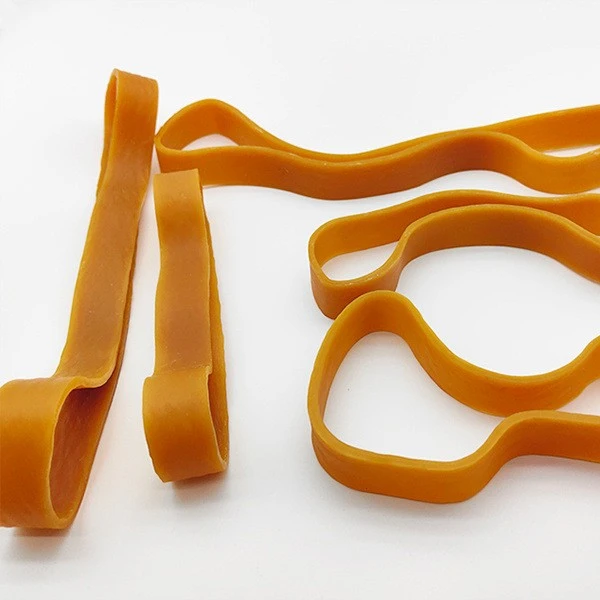
As a supplier, we understand the importance of providing high - quality rubber bands that can perform well in different conditions. We're constantly working on improving our products to make them more resistant to the effects of humidity and other environmental factors.
If you're in the market for sturdy rubber bands, whether for personal or business use, we'd love to hear from you. We can offer you a variety of options at competitive prices. Our team is always ready to answer any questions you might have about our products and how to best care for them in different environments. So, don't hesitate to reach out and start a conversation about your rubber band needs.
In conclusion, humidity can have a significant impact on sturdy rubber bands. It can affect their elasticity, lead to mold growth, and weaken the rubber over time. However, with proper storage and the right choice of rubber bands, you can minimize these negative effects. Whether you need Big Strong Rubber Bands, Oversized Rubber Bands, or Large Colored Rubber Bands, we've got you covered. Contact us today to discuss your requirements and let's find the perfect rubber band solution for you.
References
- “The Physics of Rubber Elasticity” by L. R. G. Treloar
- “Rubber Technology: Compounding, Testing, and Applications” by Werner Hofmann