

In the modern world, where environmental concerns are at the forefront of global discussions, it's essential to evaluate the ecological footprint of everyday items. Sturdy rubber bands, a common yet often overlooked product, are no exception. As a supplier of Sturdy Rubber Bands, I've delved deep into the question: Are sturdy rubber bands environmentally friendly?
Understanding Sturdy Rubber Bands
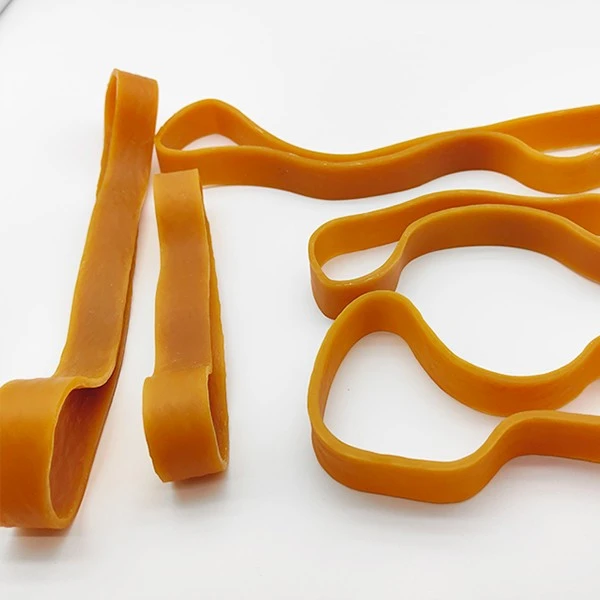
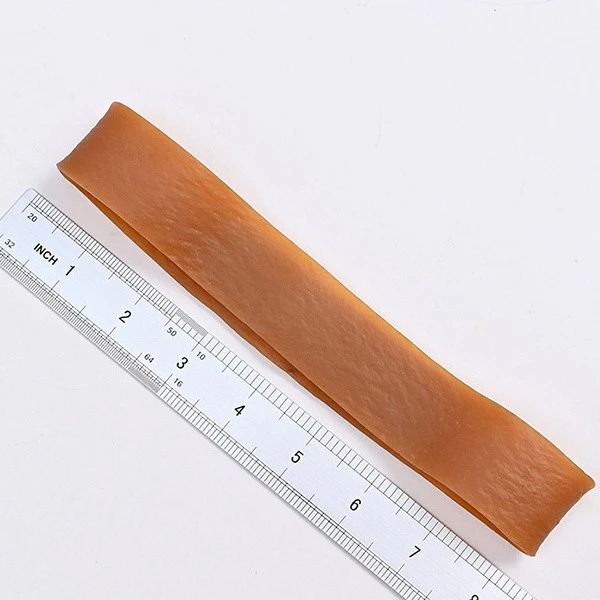
Sturdy rubber bands are known for their durability and strength. They are used in various industries, from office settings to manufacturing plants, and even in households for organizing items. Their resilience allows them to withstand significant stretching and tension without breaking, making them a reliable choice for many applications. For instance, Super Strong Rubber Bands and High Strength Rubber Bands are two types of sturdy rubber bands that are highly sought after due to their exceptional performance.
The Production Process
To assess the environmental friendliness of sturdy rubber bands, we first need to understand their production process. Most rubber bands are made from natural rubber, which is derived from the latex of rubber trees. The process of tapping latex from these trees is generally considered sustainable, as rubber trees can be tapped for up to 30 years without being cut down. This is in contrast to many other raw materials that require the destruction of forests or other natural habitats.
However, the production of rubber bands also involves several chemical processes. These processes can have a negative impact on the environment if not properly managed. For example, the use of chemicals in the vulcanization process, which makes the rubber more durable, can release harmful pollutants into the air and water. Additionally, the energy required to power the manufacturing plants that produce rubber bands contributes to greenhouse gas emissions.
Lifespan and Reusability
One of the key factors in determining the environmental friendliness of a product is its lifespan. Sturdy rubber bands, by their nature, are designed to last longer than regular rubber bands. This means that they need to be replaced less frequently, reducing the overall demand for new rubber bands and the associated environmental impact of production.
Moreover, sturdy rubber bands are often reusable. They can be used multiple times for different purposes, such as bundling papers, securing items in storage, or even in DIY projects. This reusability further extends their lifespan and reduces waste. For example, a single sturdy rubber band can be used in an office for months, being reused for various tasks instead of being discarded after a single use.
Disposal and Degradability
When it comes to disposal, the environmental impact of sturdy rubber bands becomes more complex. Natural rubber is biodegradable, which means that it will eventually break down in the environment. However, the time it takes for a rubber band to fully decompose can vary depending on several factors, such as the thickness of the band and the environmental conditions.
In a landfill, where oxygen and sunlight are limited, the decomposition process can be significantly slower. Additionally, many rubber bands are not made entirely of natural rubber. They may contain synthetic materials or additives that can further slow down the decomposition process or even make the rubber band non - biodegradable.
Comparing with Alternatives
To put the environmental impact of sturdy rubber bands into perspective, it's useful to compare them with alternative products. For example, plastic zip ties are often used as an alternative to rubber bands for bundling items. Plastic zip ties are made from non - renewable resources and are not biodegradable. They can take hundreds of years to break down in the environment, contributing to the growing problem of plastic pollution.
On the other hand, paper clips are another alternative. While paper clips are made from metal, which is a recyclable material, the production of metal requires a significant amount of energy and can have a high carbon footprint. Additionally, paper clips are often less versatile than rubber bands and may not be suitable for all applications.
Our Efforts as a Supplier
As a supplier of sturdy rubber bands, we are committed to minimizing the environmental impact of our products. We work closely with our manufacturers to ensure that they use sustainable production methods. This includes using natural rubber from sustainably managed rubber plantations and implementing measures to reduce the use of harmful chemicals in the production process.
We also encourage our customers to reuse and recycle our rubber bands. We provide information on how to properly dispose of rubber bands and offer recycling programs in some areas. By promoting these practices, we hope to reduce the amount of waste generated by our products and contribute to a more sustainable future.
Conclusion
In conclusion, the question of whether sturdy rubber bands are environmentally friendly is not a straightforward one. While they have some positive aspects, such as their potential for reusability and the sustainable sourcing of natural rubber, they also have some negative environmental impacts, particularly in the production process and disposal.
However, compared to many alternative products, sturdy rubber bands can be a relatively environmentally friendly choice. Their long lifespan and potential for reuse make them a more sustainable option than some single - use or non - biodegradable products.
As a supplier, we are constantly looking for ways to improve the environmental performance of our products. We believe that by working together with our customers, manufacturers, and other stakeholders, we can make sturdy rubber bands an even more sustainable choice.
If you are interested in learning more about our sturdy rubber bands or would like to discuss a potential purchase, please feel free to reach out. We are always happy to assist you in finding the right rubber bands for your needs and to answer any questions you may have about their environmental impact.
References
- "The Rubber Industry: An Overview." Rubber Manufacturers Association.
- "Sustainable Rubber Production." International Rubber Study Group.
- "Environmental Impact of Plastic Products." Environmental Protection Agency.