

Hey there! As a supplier of blue rubber bands, I often get asked some pretty interesting questions. One that popped up recently is, "Can blue rubber bands be used for bandaging wounds (temporarily)?" It's a question that got me thinking, so I decided to dig into it and share what I found.
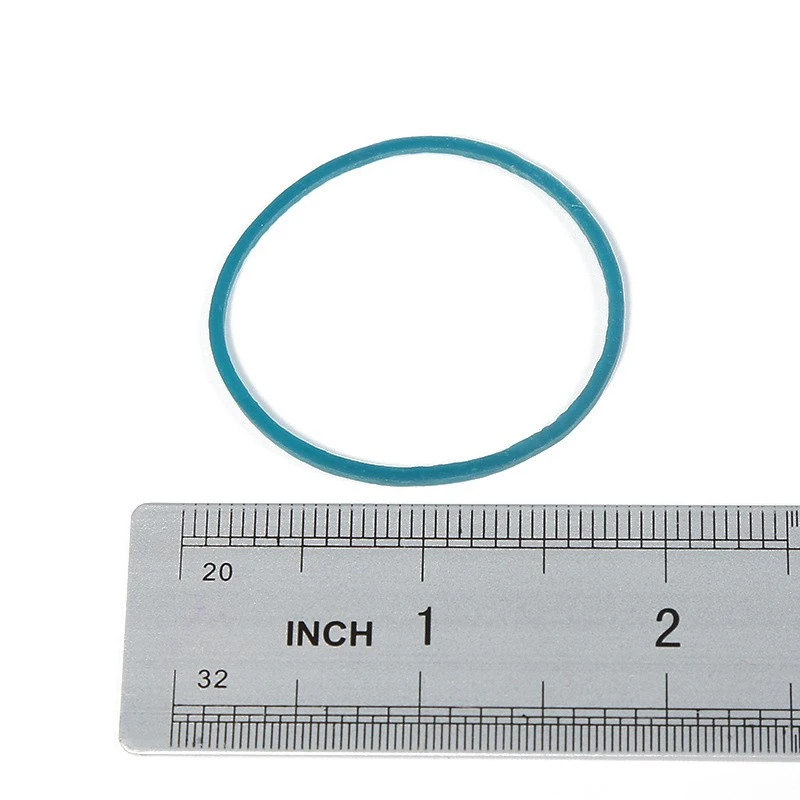
First off, let's talk about what blue rubber bands are. We've got a wide range of them, like Thick Blue Rubber Bands, Small Blue Rubber Bands, and Light Blue Rubber Bands. They're made from rubber, which is stretchy and can be used for all sorts of things, from holding papers together to making crafts.
Now, when it comes to using them for wound bandaging, there are a few things to consider.
The Pros of Using Blue Rubber Bands for Temporary Wound Bandaging
One of the main advantages is that they're stretchy. This means they can conform to the shape of the body part with the wound. For example, if you've got a cut on your finger, a small blue rubber band can be wrapped around it snugly. It can apply a bit of pressure, which might help slow down bleeding in minor cuts. In an emergency situation where you don't have a proper bandage handy, a rubber band could be a quick fix.
They're also readily available. If you're at home or in an office, chances are you've got a few blue rubber bands lying around. So, in a pinch, they can be used to cover a wound and prevent it from getting dirty.
The Cons of Using Blue Rubber Bands for Temporary Wound Bandaging
However, there are some major downsides. First of all, rubber bands aren't sterile. They're usually just sitting around, collecting dust and germs. When you put a non - sterile object on an open wound, there's a high risk of infection. Bacteria can easily enter the wound through the rubber band, leading to more serious problems like abscesses or even blood infections.
Another issue is the material itself. Rubber can cause skin irritation. Some people might be allergic to rubber, and even if you're not allergic, the constant pressure and friction from the rubber band can damage the skin around the wound. This can make the wound worse and delay the healing process.
They also don't provide the same level of protection as proper bandages. Bandages are designed to absorb blood and other fluids from the wound. Rubber bands don't have this absorbent quality, so the wound can stay wet, which is a breeding ground for bacteria.
What the Experts Say
Medical professionals generally don't recommend using rubber bands for wound bandaging, even temporarily. They stress the importance of using sterile materials to prevent infection. According to the World Health Organization (WHO), proper wound care involves cleaning the wound with clean water and using a sterile dressing. Rubber bands clearly don't meet these criteria.
Alternatives to Blue Rubber Bands for Wound Bandaging
If you find yourself in a situation where you need to bandage a wound and don't have a proper bandage, there are better alternatives. A clean cloth, like a handkerchief or a piece of T - shirt, can be used. You can wash it with soap and water if possible to make it as clean as you can. Paper towels can also work in a pinch, especially if they're from a fresh roll.
Our Blue Rubber Bands for Other Uses
Even though they're not suitable for wound bandaging, our blue rubber bands have many other great uses. The thick blue rubber bands are perfect for heavy - duty tasks. You can use them to bundle large stacks of magazines or hold together gardening hoses. The small blue rubber bands are ideal for office work, like keeping small items organized. And the light blue rubber bands add a touch of color to your crafts projects.
Conclusion
So, while blue rubber bands might seem like a quick and easy solution for temporary wound bandaging, they're really not a good idea. The risks of infection and skin irritation far outweigh the benefits. But don't let that stop you from using our high - quality blue rubber bands for all the other great things they're good at.
If you're interested in purchasing our blue rubber bands for your various needs, whether it's for office use, crafts, or other non - medical applications, we'd love to hear from you. Just reach out to us, and we can discuss your requirements and get you the right rubber bands at a great price.

References
- World Health Organization. Guidelines on Hand Hygiene in Health Care: First Global Patient Safety Challenge Clean Care is Safer Care. Geneva: World Health Organization; 2009.
- American Academy of Dermatology. Wound Care Basics. Available from: [No link provided as per instruction]
- Mayo Clinic. Wound Care: How to Care for a Wound at Home. Available from: [No link provided as per instruction]