

Hey there! As a supplier of blue rubber bands, I often get asked all sorts of questions about what these nifty little items can and can't do. One question that popped up recently really got me thinking: Can blue rubber bands be used for tightening belts? Let's dig into this topic and find out.

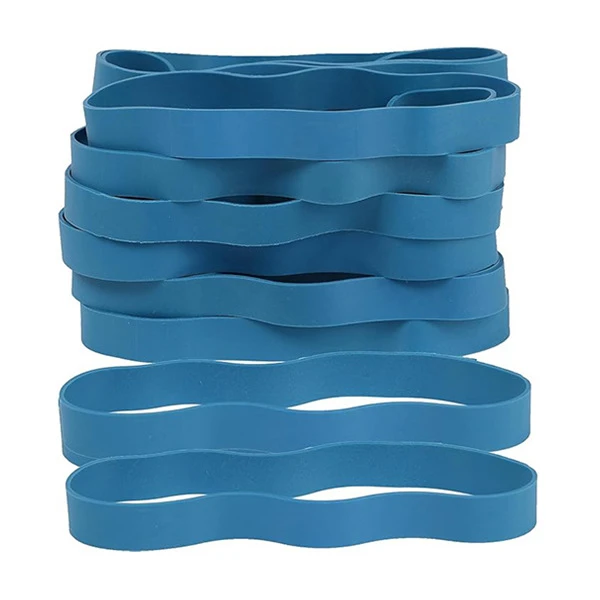
First off, let's talk a bit about blue rubber bands. We offer a wide range of blue rubber bands, from Heavy Duty Blue Rubber Bands to Navy Blue Rubber Bands and Thick Blue Rubber Bands. These rubber bands come in different sizes, thicknesses, and strengths, which are important factors to consider when thinking about using them for belt tightening.
Now, onto the big question. Can blue rubber bands be used for tightening belts? The short answer is yes, they can. But like most things, it depends on a few factors.
The Mechanics of Using Rubber Bands for Belt Tightening
Rubber bands are elastic, which means they can stretch and then return to their original shape. This property is what makes them potentially useful for tightening belts. When you wrap a rubber band around a belt, it creates tension. This tension can help hold the belt in place more snugly, especially if the belt is a bit loose.
Let's say you have a belt that's just a little too big for you. You can take a couple of blue rubber bands and loop them around the belt at the point where it goes through the buckle. The rubber bands will add some extra grip and keep the belt from slipping as easily. It's a simple and inexpensive solution that can work in a pinch.
Factors to Consider
Strength of the Rubber Band
Not all rubber bands are created equal. If you're using a thin, weak rubber band to try and tighten a thick, heavy belt, it's not going to work very well. You'll need to choose a rubber band that's strong enough to withstand the tension required to hold the belt in place. That's where our Heavy Duty Blue Rubber Bands come in handy. These are designed to be extra strong and can handle more stress, making them a better choice for belt tightening.
Size of the Belt
The size of the belt matters too. A wide belt will require more rubber bands or stronger rubber bands to create enough tension. A narrow belt, on the other hand, might only need one or two regular-sized rubber bands. You'll need to experiment a bit to find the right combination for your belt.
Durability
Rubber bands can wear out over time, especially if they're constantly being stretched and released. If you're using blue rubber bands to tighten a belt on a regular basis, you'll want to make sure they're durable. Our Thick Blue Rubber Bands are a great option because they're thicker and more resistant to wear and tear.
Advantages of Using Blue Rubber Bands for Belt Tightening
Cost-Effective
Blue rubber bands are relatively cheap. You can buy a large pack of them for just a few dollars, which is much less expensive than buying a new belt or having a belt altered.
Easy to Use
Using blue rubber bands for belt tightening is a simple process that doesn't require any special tools or skills. You don't need to be a handyman or a fashion expert to figure it out. Just loop the rubber bands around the belt and you're good to go.
Versatile
Blue rubber bands can be used in a variety of situations. Not only can they be used for tightening belts, but they can also be used for other household and DIY projects. For example, you can use them to hold together cables, secure items in a box, or even create a makeshift clothesline.
Disadvantages of Using Blue Rubber Bands for Belt Tightening
Aesthetically Pleasing?
Let's face it, rubber bands aren't the most stylish accessory. If you're wearing a fancy suit or a nice dress, having a couple of rubber bands visible on your belt might not be the look you're going for. However, if you're just wearing casual clothes or doing some work around the house, this might not be a big deal.
Limited Lifespan
As mentioned earlier, rubber bands can wear out over time. You'll need to replace them periodically to keep the belt tight. If you're using them on a belt that you wear every day, you might find yourself having to replace the rubber bands every few weeks or months.
Tips for Using Blue Rubber Bands for Belt Tightening
- Choose the Right Rubber Band: As discussed, make sure you choose a rubber band that's strong enough for the job. If you're not sure, err on the side of caution and go for a thicker, stronger rubber band.
- Clean the Belt: Before applying the rubber bands, make sure the belt is clean. Dirt and debris can cause the rubber bands to slip or wear out more quickly.
- Use Multiple Rubber Bands: If one rubber band isn't providing enough tension, try using two or more. You can stack them on top of each other or loop them around the belt in different ways to increase the grip.
Conclusion
So, there you have it. Blue rubber bands can definitely be used for tightening belts. They're a cost-effective, easy-to-use solution that can work in many situations. However, they do have their limitations, such as aesthetics and limited lifespan.
If you're interested in trying out blue rubber bands for belt tightening or for any other purpose, we have a great selection of Heavy Duty Blue Rubber Bands, Navy Blue Rubber Bands, and Thick Blue Rubber Bands available. We're always happy to help you find the right rubber bands for your needs. If you have any questions or want to discuss your specific requirements, feel free to reach out to us. We'd love to hear from you and help you with your purchasing decisions.
References
- "The Physics of Elasticity." Physics Classroom.
- "Rubber Band Properties and Applications." Rubber Manufacturer's Association.