

Can colored rubber bands be used for making a catapult? This is a question that has intrigued hobbyists, DIY enthusiasts, and even some educators. As a supplier of colored rubber bands, I've received numerous inquiries about the potential of using our products in catapult construction. In this blog post, I'll explore the feasibility of using colored rubber bands for making a catapult, discuss the science behind it, and provide some practical tips.
The Science Behind Catapults and Rubber Bands
Before delving into the use of colored rubber bands, it's important to understand the basic principles of a catapult. A catapult is a device that uses stored energy to launch a projectile. The most common type of catapult, the tension catapult, relies on the elastic potential energy stored in a stretched material, such as a rubber band.
When a rubber band is stretched, it stores elastic potential energy. This energy is a result of the deformation of the rubber band's molecular structure. When the rubber band is released, it returns to its original shape, converting the elastic potential energy into kinetic energy, which is then transferred to the projectile.
The amount of elastic potential energy stored in a rubber band depends on two factors: the stiffness of the rubber band (also known as its spring constant) and the amount it is stretched. The spring constant is a measure of how difficult it is to stretch the rubber band. A higher spring constant means that more force is required to stretch the rubber band, and thus more elastic potential energy can be stored.
Using Colored Rubber Bands for Catapults
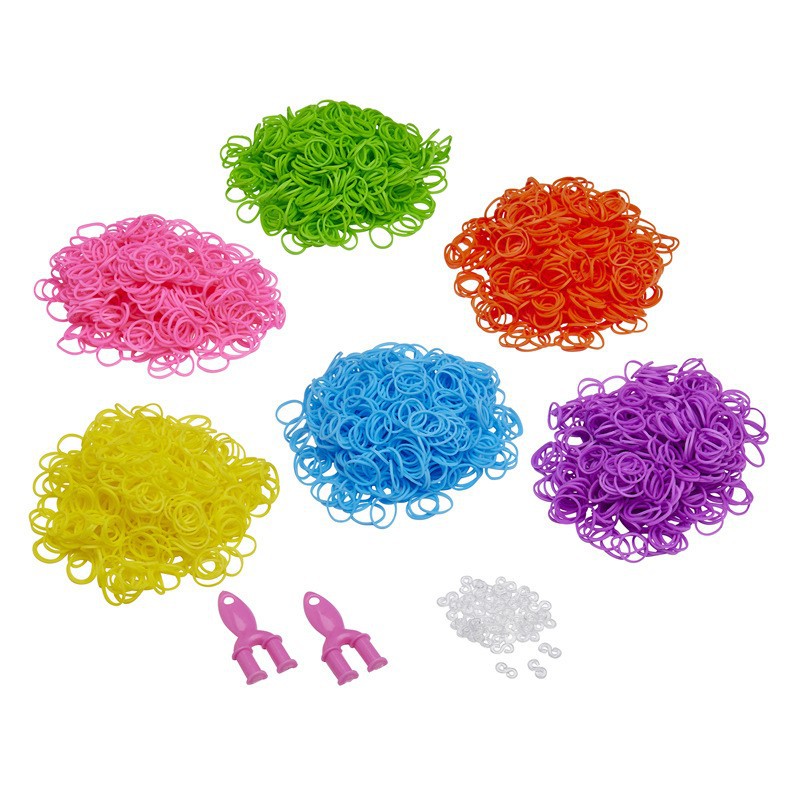
Colored rubber bands are made from the same basic material as regular rubber bands - natural or synthetic rubber. This means that they have the same elastic properties and can be used to store and release energy in the same way. In fact, the color of the rubber band has no effect on its elastic properties.
One of the advantages of using colored rubber bands for catapults is that they come in a variety of sizes and strengths. Big Colored Rubber Bands are ideal for building larger catapults that require more force to launch heavier projectiles. Smaller colored rubber bands, on the other hand, can be used for smaller, more delicate catapults.
Another advantage is that colored rubber bands can add a fun and creative element to your catapult project. You can use different colors to create a visually appealing design, or you can use the colors to represent different teams or players in a catapult competition.
Building a Catapult with Colored Rubber Bands
Building a catapult with colored rubber bands is a relatively simple and inexpensive project that can be done at home or in the classroom. Here's a basic guide on how to build a simple catapult using colored rubber bands:
Materials:
- Four wooden dowels or popsicle sticks
- One plastic spoon
- Several colored rubber bands
- A small object to use as a projectile (e.g., a pom-pom or a small ball)
Steps:
- Arrange the four wooden dowels or popsicle sticks in a cross shape, with two sticks crossing each other in the middle.
- Use a colored rubber band to secure the sticks together at the intersection. Make sure the rubber band is tight so that the sticks don't move.
- Attach the plastic spoon to one end of the cross using another colored rubber band. The spoon will act as the projectile holder.
- Loop several colored rubber bands around the other end of the cross, creating a bundle of rubber bands. These rubber bands will provide the tension for the catapult.
- Place the small object in the spoon.
- Pull back the spoon, stretching the rubber bands.
- Release the spoon, and watch as the rubber bands contract, launching the projectile forward.
Factors to Consider
While colored rubber bands can be used to make a catapult, there are a few factors to consider before starting your project.
Strength and Stiffness: As mentioned earlier, the strength and stiffness of the rubber bands will affect the performance of the catapult. Make sure to choose rubber bands that are strong enough to launch the projectile but not too stiff that they are difficult to stretch.
Number of Rubber Bands: The number of rubber bands used in the catapult will also affect its performance. Using more rubber bands will increase the tension and thus the force of the launch. However, using too many rubber bands can make the catapult difficult to operate and may even cause it to break.
Projectile Weight: The weight of the projectile will also affect the performance of the catapult. A heavier projectile will require more force to launch, so you may need to use stronger rubber bands or more of them.
Other Uses of Colored Rubber Bands
In addition to making catapults, colored rubber bands have a wide range of other uses. Colored Rubber Bands for Crafts are popular among artists and crafters for creating jewelry, keychains, and other decorative items. They can also be used for organizing and bundling items, such as cables and cords.
Gym Rubber Bands are another type of colored rubber band that is commonly used in fitness and exercise. These rubber bands are designed to provide resistance during workouts, helping to strengthen muscles and improve flexibility.
Conclusion
In conclusion, colored rubber bands can definitely be used for making a catapult. They have the same elastic properties as regular rubber bands and can be used to store and release energy in the same way. Building a catapult with colored rubber bands is a fun and educational project that can be enjoyed by people of all ages.

If you're interested in purchasing colored rubber bands for your catapult project or other uses, please feel free to contact us. We offer a wide range of colored rubber bands in different sizes, strengths, and colors to meet your needs. Our team of experts is also available to provide you with advice and guidance on choosing the right rubber bands for your project.
References
- Halliday, D., Resnick, R., & Walker, J. (2014). Fundamentals of Physics. Wiley.
- Serway, R. A., & Jewett, J. W. (2018). Physics for Scientists and Engineers with Modern Physics. Cengage Learning.