

Hey there! As a supplier of pink rubber bands, I often get asked if these colorful little bands can be used for tying up plants. Well, let's dive right into it and find out if pink rubber bands are a good fit for your gardening needs.
Can Pink Rubber Bands Be Used for Tying Up Plants?
The short answer is yes, you can use pink rubber bands for tying up plants. But there are a few things to consider before you start wrapping those green beauties with our lovely pink bands.
First off, let's talk about the material. Most rubber bands are made of natural or synthetic rubber. Natural rubber is biodegradable and generally safe for the environment, while synthetic rubber is more durable and resistant to weather conditions. As long as the rubber bands are non - toxic, they should be fine for your plants.
One of the great things about using pink rubber bands is the visibility. In a sea of green foliage, the bright pink color makes it easy to spot where you've tied up the plants. This can be really helpful when you're pruning or checking on the growth of your plants. You won't have to search around blindly for those support ties.
Another advantage is the flexibility. Rubber bands can stretch to accommodate the growth of the plant. As your plant grows and expands, the rubber band will stretch without cutting into the stem or branches. This is important because tight ties can damage the plant, restrict its growth, and even lead to disease.
However, there are also some potential drawbacks. Over time, rubber bands can break down due to exposure to sunlight, heat, and moisture. Ultraviolet (UV) rays from the sun can cause the rubber to become brittle and crack. If a rubber band breaks while it's supporting a plant, it can cause the plant to fall over or become damaged.
Also, if you use rubber bands that are too tight, they can still cause problems. Even though they're stretchy, a very tight rubber band can put too much pressure on the plant's stem, which may lead to girdling. Girdling is when the band cuts into the plant's tissue, interrupting the flow of water and nutrients.
Types of Pink Rubber Bands
We offer a variety of pink rubber bands that can be used for tying up plants.
Pink Anti Static Rubber Bands: These Pink Anti Static Rubber Bands are not only pink and pretty but also have anti - static properties. While the anti - static feature may not be directly related to plant support, these bands are usually made of high - quality rubber that can be quite durable. They're less likely to break down quickly, which means they can provide long - term support for your plants.
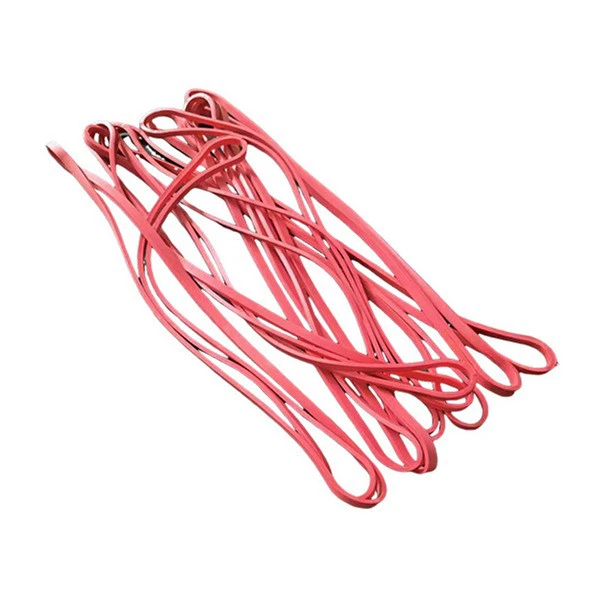

Light Pink Rubber Band: The Light Pink Rubber Band has a softer, more subtle color. It can blend in a bit more with the plant if you don't want the ties to be too noticeable. These bands are often made with a thinner gauge of rubber, which makes them more flexible. They're great for tying up delicate plants or small branches.
Hot Pink Rubber Bands: If you want your plant ties to stand out, Hot Pink Rubber Bands are the way to go. Their bright color is highly visible, and they're usually made with a thicker rubber, providing more strength and support. These are ideal for larger plants or branches that need a bit more stability.
Tips for Using Pink Rubber Bands on Plants
- Choose the right size: Make sure the rubber band is the appropriate size for the plant. For small seedlings or delicate branches, a thin, small - sized rubber band will do. For larger plants, you'll need a thicker and wider band.
- Don't tie too tightly: Leave a little bit of slack when you tie the rubber band around the plant. This will allow for growth and prevent girdling.
- Check regularly: Periodically inspect the rubber bands to see if they're still in good condition. If you notice any signs of wear, such as cracking or stretching too much, replace them.
- Protect from the sun: If possible, place the plants in a location where they're not exposed to direct sunlight all day. This can help extend the life of the rubber bands.
Conclusion
In conclusion, pink rubber bands can be a great option for tying up plants. They offer visibility, flexibility, and are relatively inexpensive. However, you need to be aware of the potential issues related to their durability and proper use.
If you're interested in purchasing our pink rubber bands for your gardening needs, we'd love to hear from you. Whether you're a professional gardener or just a hobbyist, our pink rubber bands can add a touch of color and functionality to your plant support system. Reach out to us to start a conversation about your requirements and let's see how we can help you with your plant - tying needs.
References
- "The Basics of Plant Support". Gardening Today Magazine.
- "Rubber Materials and Their Environmental Impact". Journal of Material Science.