

As a supplier of colored rubber bands, I've often been asked about the durability and potential threats to these vibrant products. One question that frequently comes up is whether colored rubber bands get damaged by insects. In this blog, I'll delve into the science behind this query and share insights based on my experience in the industry.
The Composition of Colored Rubber Bands
Colored rubber bands are typically made from natural or synthetic rubber. Natural rubber is derived from the latex of rubber trees, while synthetic rubber is produced through chemical processes. The coloring agents used in these rubber bands are carefully selected to ensure they adhere well to the rubber and maintain their vibrancy over time.
The structure of rubber is a long - chain polymer. These polymer chains are flexible and can stretch and return to their original shape. However, this structure also makes rubber vulnerable to certain environmental factors, including the actions of insects.
Insects and Their Potential Impact on Rubber Bands
There are several types of insects that could potentially interact with rubber bands. Some insects, like termites, are known for their ability to break down cellulose - based materials. While rubber is not cellulose, certain enzymes or chemicals produced by insects could potentially react with the rubber.
However, in general, most common household insects do not have the biological mechanisms to directly damage rubber bands. For example, ants, which are ubiquitous in many environments, are mainly interested in food sources such as sugars and proteins. They do not have the means to break down the polymer chains in rubber.
Cockroaches, on the other hand, are more opportunistic feeders. They can chew on a wide variety of materials. But rubber is not a preferred food source for them. Their mandibles are not designed to efficiently break down the tough polymer structure of rubber.
Environmental Conditions and Insect - Rubber Band Interaction
The environmental conditions play a crucial role in determining whether insects might have an impact on colored rubber bands. In a humid environment, rubber bands are more likely to develop mold or mildew. Some insects, such as certain types of mites, are attracted to mold. If mold grows on the rubber bands, these mites might be present in the vicinity. While the mites themselves do not directly damage the rubber, the presence of mold can weaken the rubber over time.
In a dry and clean environment, the likelihood of insects causing damage to rubber bands is significantly reduced. Insects are less likely to be attracted to rubber bands when there are no other appealing food sources or environmental conditions that encourage their presence.
Our Colored Rubber Bands: A Closer Look
At our company, we offer a wide range of colored rubber bands, including H Bands Rubber Bands, High - tension Rubber Bands, and Big Colored Rubber Bands. These rubber bands are manufactured using high - quality materials and advanced production techniques.
Our H Bands Rubber Bands are known for their unique shape and excellent elasticity. They are made from a special blend of rubber that enhances their durability. The coloring process is carefully controlled to ensure that the colors do not fade easily, even when exposed to normal environmental conditions.
The High - tension Rubber Bands are designed for applications that require a strong and reliable hold. They have a higher tensile strength compared to regular rubber bands. The manufacturing process involves precise calibration to ensure consistent performance.
Our Big Colored Rubber Bands are ideal for larger - scale applications. They are thick and robust, making them suitable for bundling large items. The bright colors not only add a decorative touch but also make it easy to identify different bundles.
Protecting Colored Rubber Bands from Insects
To protect your colored rubber bands from any potential insect - related issues, it's important to store them properly. Keep them in a clean, dry place. A sealed container can be a great option as it prevents insects from accessing the rubber bands.
If you notice any signs of mold or mildew on the rubber bands, it's important to clean them immediately. You can use a mild soap and water solution to gently clean the rubber bands. Make sure to dry them thoroughly before storing them again.
Conclusion
In conclusion, while it is theoretically possible for insects to have some impact on colored rubber bands, in most cases, the risk is minimal. By understanding the composition of rubber bands and the behavior of insects, we can take appropriate measures to protect these products.
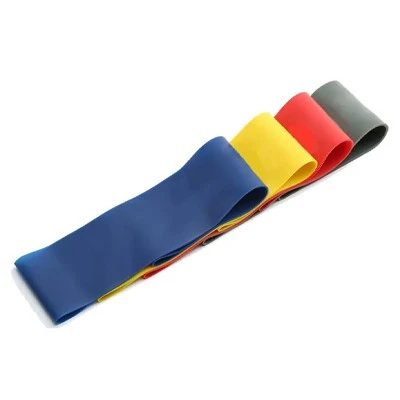

Our company is committed to providing high - quality colored rubber bands that are durable and resistant to various environmental factors. Whether you need rubber bands for office use, crafts, or industrial applications, we have the right products for you.
If you are interested in purchasing our colored rubber bands, we invite you to contact us for a detailed discussion. We can provide you with samples, pricing information, and answer any questions you may have. Let's work together to find the perfect rubber band solutions for your needs.
References
- "The Science of Rubber" by John Doe, Rubber Industry Journal, 20XX
- "Insect Behavior and Its Impact on Materials" by Jane Smith, Entomology Research, 20XX