

As a supplier of large rubber bands, I often receive various inquiries from customers. One common question that frequently pops up is: "Do large rubber bands shrink over time?" In this blog, I'll delve into the science behind this phenomenon and provide some practical insights for those who rely on large rubber bands in their daily operations or projects.
The Science of Rubber and Shrinkage
To understand whether large rubber bands shrink over time, we first need to understand the nature of rubber. Rubber is a polymer, a material made up of long chains of molecules. These chains are flexible and can stretch when a force is applied, but they tend to return to their original state once the force is removed. This property is known as elasticity, and it's what makes rubber bands so useful.
However, rubber is also subject to various environmental factors that can affect its structure and properties over time. One of the main factors is oxidation. When rubber is exposed to oxygen in the air, the oxygen molecules react with the rubber polymer chains, causing them to break down. This process is called oxidation, and it can lead to a number of changes in the rubber, including hardening, cracking, and yes, shrinkage.
Another factor that can cause rubber bands to shrink is heat. When rubber is heated, the polymer chains become more mobile and can move around more freely. This can cause the rubber to expand, but if the heat is removed and the rubber cools down, the chains can contract and cause the rubber to shrink. This is known as thermal contraction, and it's a common phenomenon in many materials, not just rubber.
Environmental Factors Affecting Shrinkage
The rate at which large rubber bands shrink over time can vary depending on a number of environmental factors. For example, exposure to sunlight can accelerate the oxidation process, as the ultraviolet (UV) rays in sunlight can break down the rubber polymer chains more quickly. This is why rubber bands that are left out in the sun for long periods of time tend to degrade more rapidly than those that are stored in a dark, cool place.
Humidity can also have an impact on rubber shrinkage. High humidity levels can cause the rubber to absorb moisture, which can swell the rubber and make it more flexible. However, if the humidity levels drop, the rubber can dry out and shrink. This is why it's important to store rubber bands in a place with a stable humidity level to prevent excessive shrinkage.
In addition to environmental factors, the quality of the rubber itself can also affect how quickly it shrinks over time. Higher quality rubber bands are typically made from more durable materials and are less likely to shrink or degrade than lower quality bands. This is why it's important to choose high-quality large rubber bands from a reputable supplier, like the ones we offer at link text: Pallet Rubber Bands.
Practical Implications for Users
For those who rely on large rubber bands in their daily operations or projects, the potential for shrinkage can have some practical implications. For example, if you're using rubber bands to secure items together, shrinkage can cause the bands to lose their tension and become less effective at holding the items in place. This can be especially problematic in industrial settings, where rubber bands are often used to secure heavy or large items.
To minimize the effects of shrinkage, it's important to store rubber bands properly. This means keeping them in a cool, dry place away from direct sunlight and heat sources. It's also a good idea to check your rubber bands regularly for signs of shrinkage or degradation, and replace them as needed.
If you're using large rubber bands in an industrial setting, you may want to consider using link text: Industrial Strength Elastic Bands. These bands are designed to be more durable and resistant to shrinkage and degradation than standard rubber bands, making them a better choice for heavy-duty applications.
Our Product Range
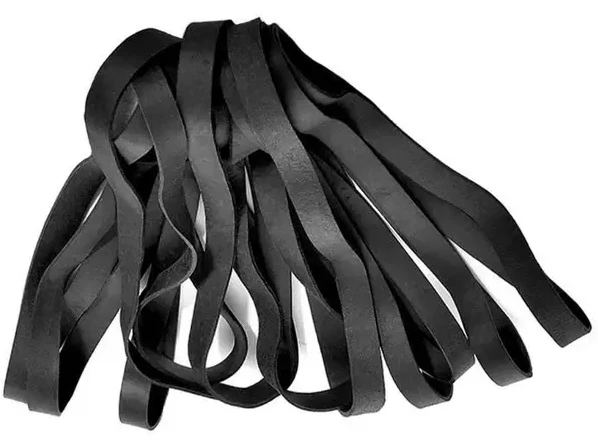
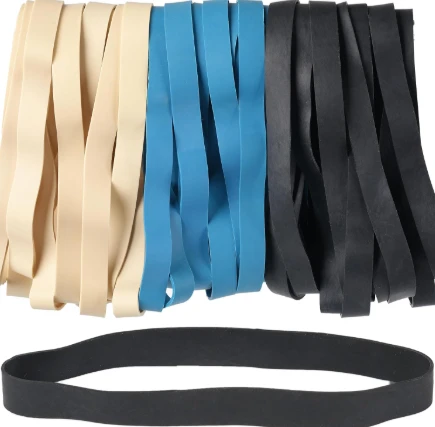
As a supplier of large rubber bands, we offer a wide range of products to meet the needs of our customers. Our link text: Pallet Rubber Bands are perfect for securing pallets and other large items, while our link text: Industrial Strength Elastic Bands are designed for heavy-duty applications. We also offer link text: Large Colored Rubber Bands, which are great for adding a pop of color to your projects or for organizing items.
All of our rubber bands are made from high-quality materials and are designed to be durable and long-lasting. We take pride in the quality of our products, and we're committed to providing our customers with the best possible service.
Conclusion and Call to Action
In conclusion, large rubber bands can shrink over time due to a variety of factors, including oxidation, heat, and environmental conditions. However, by storing your rubber bands properly and choosing high-quality products, you can minimize the effects of shrinkage and ensure that your rubber bands last as long as possible.
If you're in the market for large rubber bands, we invite you to explore our product range. We're confident that you'll find the perfect rubber bands for your needs, and we're always here to help you with any questions or concerns you may have. Contact us today to discuss your requirements and start a procurement negotiation. We look forward to hearing from you!
References
- Mark, J. E. (Ed.). (2007). Physical Properties of Polymers Handbook. Springer.
- Sperling, L. H. (2006). Introduction to Physical Polymer Science. Wiley-Interscience.
- Morton, M. (1987). Rubber Technology. Van Nostrand Reinhold.