

Hey there! As a supplier of Sturdy Rubber Bands, I often get asked some interesting questions from my customers. One question that pops up quite a bit is, "Do sturdy rubber bands react with plastics?" It's a super important query, especially when you're thinking about using rubber bands in various applications where they might come into contact with plastics.
Let's start by understanding what sturdy rubber bands are made of. Most of the time, these rubber bands are crafted from natural rubber or synthetic rubber compounds. Natural rubber is derived from the latex of rubber trees, while synthetic rubber is man - made through chemical processes. These materials give rubber bands their elasticity, strength, and durability.
On the other hand, plastics are a diverse group of materials. They can be made from different polymers, like polyethylene, polypropylene, PVC (polyvinyl chloride), and many others. Each type of plastic has its own unique chemical properties, which can influence how it interacts with other substances, including rubber bands.
So, do they react? Well, it depends. In many cases, there's no significant chemical reaction between sturdy rubber bands and plastics under normal conditions. For instance, if you use a rubber band to hold together a plastic bag or to bundle up some plastic items, chances are nothing bad will happen. The rubber band will just do its job of keeping things in place without causing any damage to the plastic.
However, there are some scenarios where a reaction can occur. One factor is the presence of plasticizers in plastics. Plasticizers are chemicals added to plastics to make them more flexible. Some plasticizers can migrate out of the plastic over time and come into contact with the rubber band. When this happens, the plasticizer can dissolve or swell the rubber, causing it to lose its shape and strength.
Another thing to consider is the environment. High temperatures can accelerate chemical reactions. If you store rubber - band - bound plastic items in a hot place, say inside a car on a sunny day, the heat can speed up the interaction between the rubber and the plastic. This might lead to the rubber band deteriorating faster or the plastic getting discolored.
UV light is also a culprit. Prolonged exposure to sunlight can break down both rubber and plastic. The UV rays can cause the rubber to become brittle and crack, and it can also make the plastic degrade. So, if your rubber - band - plastic combo is left out in the sun for too long, you're likely to see some negative effects.
Now, let's talk about the applications of our sturdy rubber bands. We offer a wide range of products suitable for different needs. If you're into fitness and need rubber bands for stretch training, check out our Stretch Training Rubber Bands. These bands are designed to provide the right amount of resistance for your workouts.
For industrial use, our Pallet Rubber Bands are a great choice. They're strong enough to secure heavy loads on pallets, ensuring that your goods stay in place during transportation.
And if you need something extra tough, our High Strength Rubber Bands are the way to go. These bands can withstand a lot of pressure and are perfect for demanding applications.
When it comes to preventing any unwanted reactions between rubber bands and plastics, there are a few things you can do. First, choose the right type of rubber band for the job. If you're dealing with plastics that contain a lot of plasticizers, look for rubber bands that are resistant to chemical attacks. Second, store your rubber - band - plastic combinations in a cool, dry place away from direct sunlight. This will help extend the lifespan of both the rubber band and the plastic.
In conclusion, while sturdy rubber bands and plastics usually coexist peacefully, there are situations where a reaction can occur. By being aware of the factors that can cause a reaction and taking the necessary precautions, you can ensure that your rubber bands and plastics work well together for a long time.
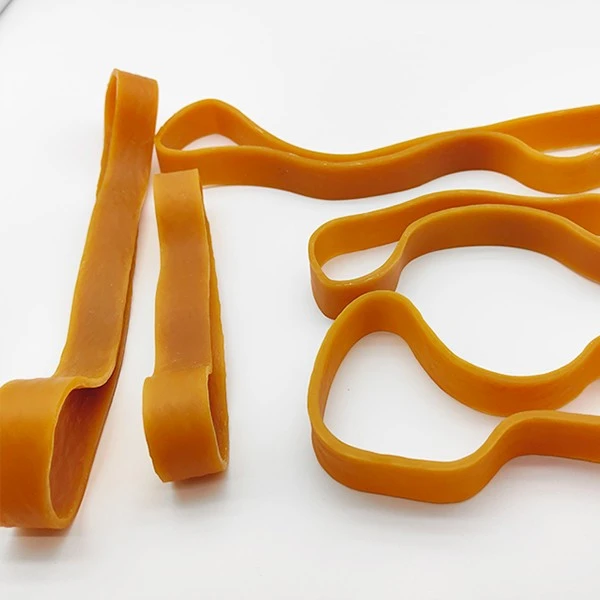

If you're interested in our Sturdy Rubber Bands for your personal or business needs, don't hesitate to reach out. We're always happy to discuss your requirements and find the best rubber band solutions for you. Whether you need a small quantity for home use or a large order for industrial applications, we've got you covered.
References
- "The Chemistry of Rubber and Plastics" - A textbook on polymer chemistry
- "Practical Guide to Rubber Band Applications" - An industry - specific guide on using rubber bands