

Hey there! As a supplier of natural rubber color, I've been getting a lot of questions lately about whether the color of natural rubber affects its adhesion. It's a super interesting topic, and I'm excited to dive into it with you guys.
First off, let's talk a bit about natural rubber. Natural rubber is an amazing material. It comes from the latex of rubber trees, and it has some pretty cool properties like high elasticity and good resistance to wear and tear. And yeah, it can come in different colors. You've got your classic natural color, which is kind of a milky - whiteish hue, but then there are also other colors that can be achieved through various processes.
Now, when it comes to adhesion, it's all about how well the rubber sticks to other surfaces. Adhesion is crucial in a bunch of applications. For example, if you're using rubber bands to hold things together, you want them to stick well and not just fall off easily.
So, does color affect adhesion? Well, the short answer is it depends. There are a few factors at play here.
One of the main things is the additives used to change the color. When you're making colored natural rubber, you often add pigments or dyes. These additives can have an impact on the rubber's surface chemistry. Some pigments might react with the rubber or the surface it's supposed to adhere to. For instance, certain chemical compounds in pigments could create a barrier on the rubber's surface, reducing its ability to form strong bonds with other materials.
Let's say you're using a bright red pigment. The chemicals in that red pigment might interact with the natural rubber in a way that changes its molecular structure near the surface. This change can make it harder for the rubber to stick to, say, a piece of paper or a plastic surface.
On the other hand, if the additives are carefully chosen and well - formulated, they might not have a significant negative impact on adhesion. Some high - quality pigments are designed to be compatible with natural rubber. They can blend in nicely without altering the rubber's adhesion properties too much.
Another factor is the manufacturing process. The way the colored rubber is made can also affect adhesion. During the vulcanization process, which is used to strengthen the rubber, the presence of color additives can influence how the rubber cross - links. If the vulcanization process isn't optimized for colored rubber, it might lead to uneven cross - linking. This unevenness can result in weaker adhesion in some areas of the rubber.
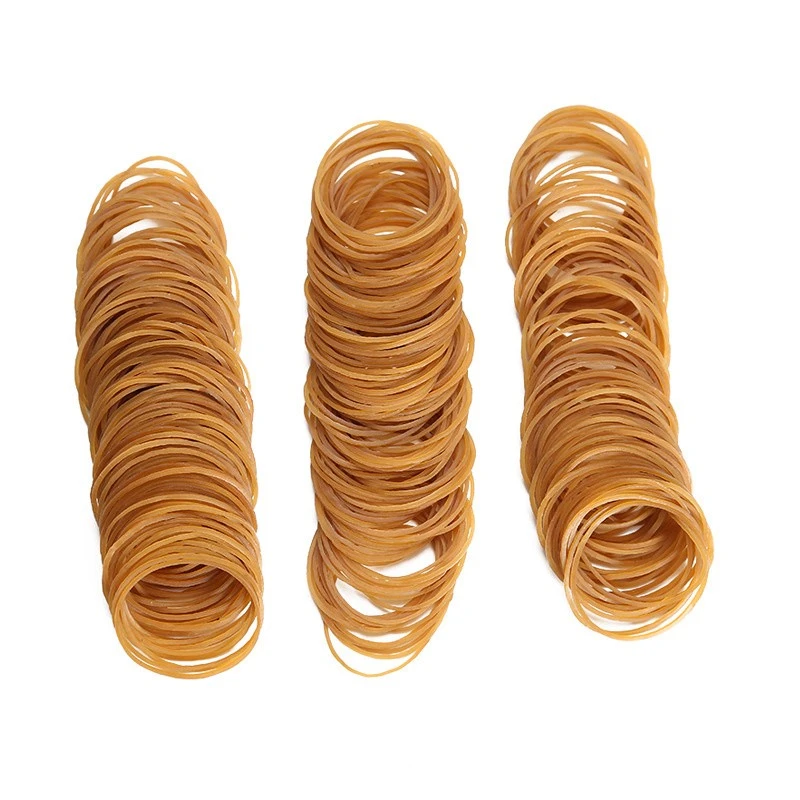
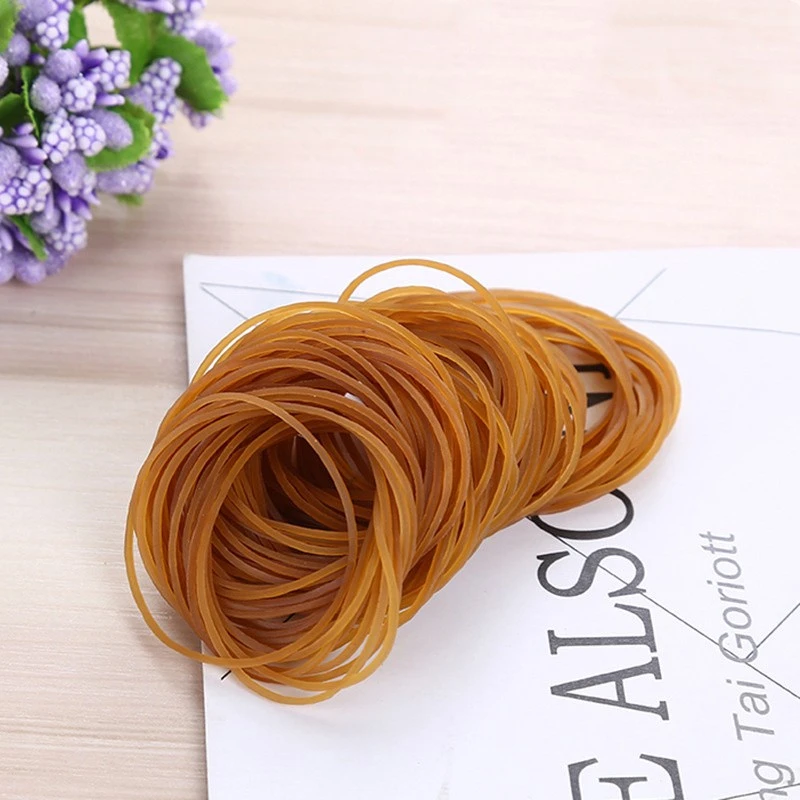
Now, let's look at some real - world applications. Take Natural Color Rubber Bands. These bands are in their natural state, without a lot of added colorants. In most cases, they tend to have pretty good adhesion because there are fewer chemicals interfering with the bonding process. They're great for general use, like holding papers together or bundling small items.
But what about High Elastic Natural Rubber Bands? These bands are known for their high elasticity, which is a great property. However, when they're colored, the additives used for color might affect that elasticity and adhesion. If the color additives make the rubber stiffer in some areas, it could reduce its ability to conform to the surface it's adhering to, and thus weaken the adhesion.
And then there are Premium Rubber Bands. These are supposed to be top - of - the - line products. Manufacturers of premium rubber bands usually pay close attention to the quality of the color additives and the manufacturing process. They try to ensure that the color doesn't compromise the rubber's adhesion or other properties. So, in theory, these premium colored rubber bands should have good adhesion, but it still depends on the specific formulation.
To test the adhesion of colored natural rubber, you can do some simple experiments. You can take different colored rubber samples and try to stick them to the same surface. Then, measure the force required to pull the rubber off the surface. This can give you a rough idea of how well the rubber adheres.
In my experience as a natural rubber color supplier, I've seen that customers often have different requirements. Some need rubber with high adhesion, while others are more concerned about the color. If you're in a situation where adhesion is critical, it might be a good idea to go for the natural - colored rubber or work closely with the supplier to choose the right color additives.
If you're looking for colored natural rubber products with good adhesion, we've got some great options. Check out our Natural Color Rubber Bands, High Elastic Natural Rubber Bands, and Premium Rubber Bands. We're always here to help you find the best solution for your needs. Whether you're using rubber bands for office work, packaging, or any other application, we can work with you to ensure you get the right product with the right balance of color and adhesion.
If you're interested in purchasing our natural rubber color products or have any questions about adhesion and color, don't hesitate to reach out. We're happy to have a chat and discuss your specific requirements. You can start a conversation with us, and we'll guide you through the selection process.
References
- "The Science of Rubber Adhesion" by Rubber Research Institute
- "Colored Polymers: Properties and Applications" by Polymer Science Journal