

Hey there! As a natural rubber color supplier, I've seen my fair share of discolored natural rubber. It's a common issue that can be frustrating for many of you out there. In this blog, I'm gonna share some tips on how to restore the original color of discolored natural rubber.
Understanding Why Natural Rubber Discolors
Before we dive into the restoration methods, it's important to know why natural rubber changes color in the first place. Natural rubber is a polymer made from the latex of rubber trees. Over time, exposure to various factors can cause it to discolor.
One of the main culprits is oxidation. When natural rubber is exposed to oxygen in the air, a chemical reaction occurs that can lead to the formation of new compounds on the surface of the rubber. These compounds often have a different color than the original rubber, causing it to look yellowed or browned.
Another factor is exposure to sunlight. Ultraviolet (UV) rays in sunlight can break down the chemical bonds in natural rubber, leading to discoloration. Heat can also speed up this process. So, if you've got rubber items sitting in a hot, sunny spot for a long time, chances are they'll start to change color.
Contamination can also play a role. If natural rubber comes into contact with chemicals, oils, or other substances, it can absorb them and cause discoloration. For example, if you use rubber bands to hold together oily or greasy items, the rubber might start to turn a different color.
Methods to Restore the Original Color
Cleaning with Mild Detergent
The first step in trying to restore the color of discolored natural rubber is to give it a good clean. Start by mixing a small amount of mild detergent with warm water. You can use a gentle dish soap or a laundry detergent.
Dip a soft cloth or sponge into the soapy water and gently wipe the rubber surface. Make sure to get into all the nooks and crannies. Avoid using abrasive materials like steel wool or rough brushes, as they can scratch the rubber and make the problem worse.
After you've wiped the rubber clean, rinse it thoroughly with clean water to remove any soap residue. Then, pat it dry with a clean towel. Sometimes, just removing dirt and grime can make the rubber look a bit closer to its original color.
Using Vinegar Solution
If a simple detergent cleaning doesn't do the trick, you can try using a vinegar solution. Vinegar is a natural cleaner and can help break down some of the compounds causing discoloration.
Mix equal parts of white vinegar and water in a spray bottle. Spray the solution onto the discolored rubber and let it sit for a few minutes. The acid in the vinegar can react with the discolored substances on the rubber surface.
After a few minutes, use a soft cloth to gently rub the rubber. You might notice that the color starts to fade a bit. Rinse the rubber with water and dry it off. Be careful not to leave the vinegar solution on the rubber for too long, as it could damage the rubber if left for an extended period.
Hydrogen Peroxide Treatment
Hydrogen peroxide is another option for restoring the color of natural rubber. It's a mild bleaching agent that can help lighten discolored areas.
Mix a small amount of 3% hydrogen peroxide with water in a bowl. You can start with a ratio of about one part hydrogen peroxide to three parts water. Dip a cotton ball or a soft cloth into the solution and gently dab it onto the discolored areas of the rubber.
Let the hydrogen peroxide solution sit on the rubber for a few minutes. You might see some bubbling as the peroxide reacts with the discoloration. After a few minutes, rinse the rubber with water and dry it. Be cautious when using hydrogen peroxide, as it can cause damage if used in too high a concentration or for too long.
Baking Soda Paste
Baking soda is a versatile household item that can also be used to clean and restore the color of natural rubber. Make a paste by mixing baking soda with a small amount of water until it forms a thick, spreadable consistency.
Apply the baking soda paste to the discolored rubber using a soft cloth or a toothbrush. Gently rub the paste into the rubber in a circular motion. The baking soda acts as a mild abrasive, helping to remove some of the discoloration.
After a few minutes of rubbing, rinse the rubber with water to remove the baking soda paste. Dry the rubber thoroughly. Baking soda is generally safe to use on natural rubber, but again, be gentle to avoid scratching the surface.
Preventing Future Discoloration
Once you've managed to restore the color of your natural rubber items, you'll want to take steps to prevent them from discoloring again.
Store rubber items in a cool, dark place. Avoid leaving them in direct sunlight or in a hot environment. You can use a drawer or a closet to keep them protected.
If you're using rubber bands or other rubber items in a work or storage setting, try to keep them away from chemicals, oils, and other substances that could cause discoloration. For example, if you're using rubber bands to organize papers, make sure the papers are clean and dry.
Regular cleaning can also help prevent discoloration. Give your rubber items a quick wipe-down with a damp cloth every now and then to remove any dirt or dust that could build up over time.
Our Natural Rubber Color Products
At our company, we offer a wide range of natural rubber color products. Whether you're looking for Premium Rubber Bands, Thick Natural Color Rubber Bands, or Natural Color Rubber Bands, we've got you covered.

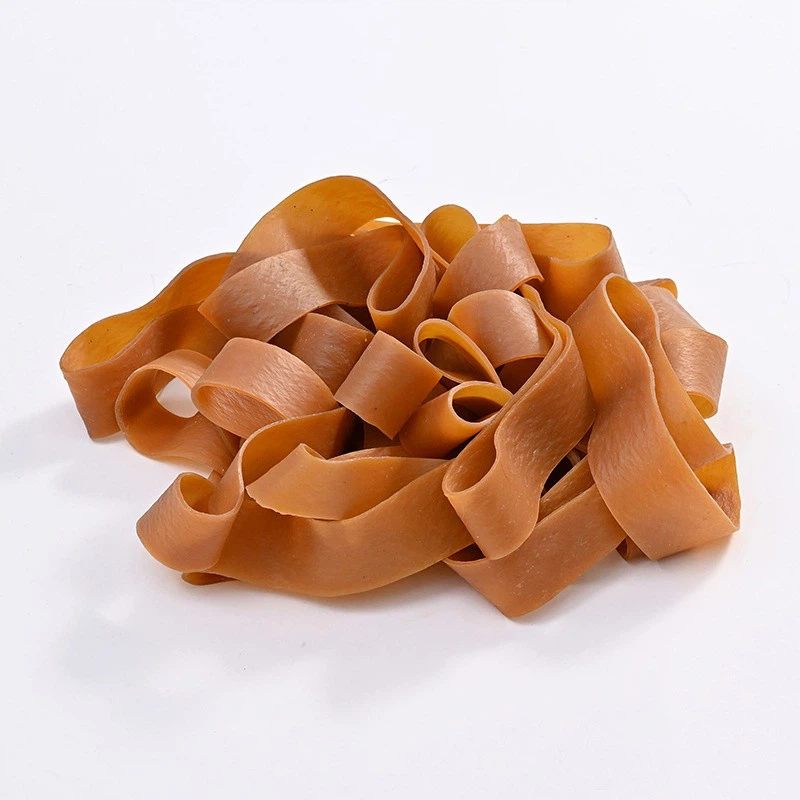
Our rubber bands are made from high-quality natural rubber, which means they're durable and have a nice, natural color. We take great care in the production process to ensure that our products maintain their color and quality over time.
If you're interested in purchasing our natural rubber color products or have any questions about restoring the color of natural rubber, don't hesitate to reach out. We're here to help you find the best solutions for your needs. Whether you're a small business looking for rubber bands for packaging or an individual in need of some quality rubber items, we can work with you. Contact us to start a purchase negotiation, and let's get you the natural rubber products you're looking for.
References
- Smith, J. (2018). "The Chemistry of Natural Rubber Discoloration." Journal of Polymer Science.
- Johnson, A. (2019). "Practical Tips for Cleaning and Restoring Rubber Items." Home Maintenance Magazine.