

Natural rubber latex is a fascinating material with a rich history and a wide range of applications. As a natural rubber color supplier, I've had the privilege of delving deep into the world of natural rubber and its various hues. In this blog post, I'll explore the color of natural rubber latex, the factors that influence it, and how it impacts different products.
The Natural Color of Rubber Latex
When it comes to the natural color of rubber latex, the answer isn't as straightforward as one might think. Freshly tapped natural rubber latex is typically a milky - white liquid. This milky appearance is due to the presence of rubber particles suspended in an aqueous medium. These particles are made up of long - chain polymers of isoprene, which are the building blocks of natural rubber.
The milky color is a result of the way light interacts with the rubber particles. The particles scatter light in all directions, giving the latex its opaque, white appearance. It's similar to how milk gets its white color from the fat globules and protein molecules that scatter light.
However, the color of natural rubber latex can change as it undergoes different processing steps. For example, when latex is coagulated to form solid rubber, the color can shift. Coagulated natural rubber often has a light yellowish - brown tint. This change in color is due to the oxidation and chemical reactions that occur during the coagulation process.
Factors Influencing the Color of Natural Rubber
1. Source of the Rubber Tree
The species of the rubber tree and its growing conditions can have a significant impact on the color of the latex. Different rubber tree species may produce latex with slightly different chemical compositions, which can affect the color. For instance, Hevea brasiliensis is the most common species used for commercial rubber production. The latex from these trees generally has the characteristic milky - white color. However, environmental factors such as soil quality, climate, and rainfall in the region where the trees are grown can also influence the latex's properties and color.
2. Processing Methods
The way natural rubber latex is processed plays a crucial role in determining its final color. As mentioned earlier, coagulation can change the color from milky - white to a light brownish - yellow. Other processing steps, such as washing, drying, and vulcanization, can also affect the color. For example, if the rubber is dried at high temperatures, it may darken due to thermal oxidation. Vulcanization, which involves adding sulfur and other chemicals to the rubber to improve its strength and elasticity, can also cause color changes. The type and amount of additives used in the vulcanization process can influence the final color of the rubber.
3. Age and Storage Conditions
The age of the natural rubber and how it is stored can impact its color. Over time, natural rubber can oxidize, especially when exposed to air, light, and heat. Oxidation can cause the rubber to turn darker, becoming more yellow or brown. Proper storage conditions, such as keeping the rubber in a cool, dark place and protecting it from oxygen, can help maintain its original color for a longer period.
Color in Different Natural Rubber Products
1. Rubber Bands
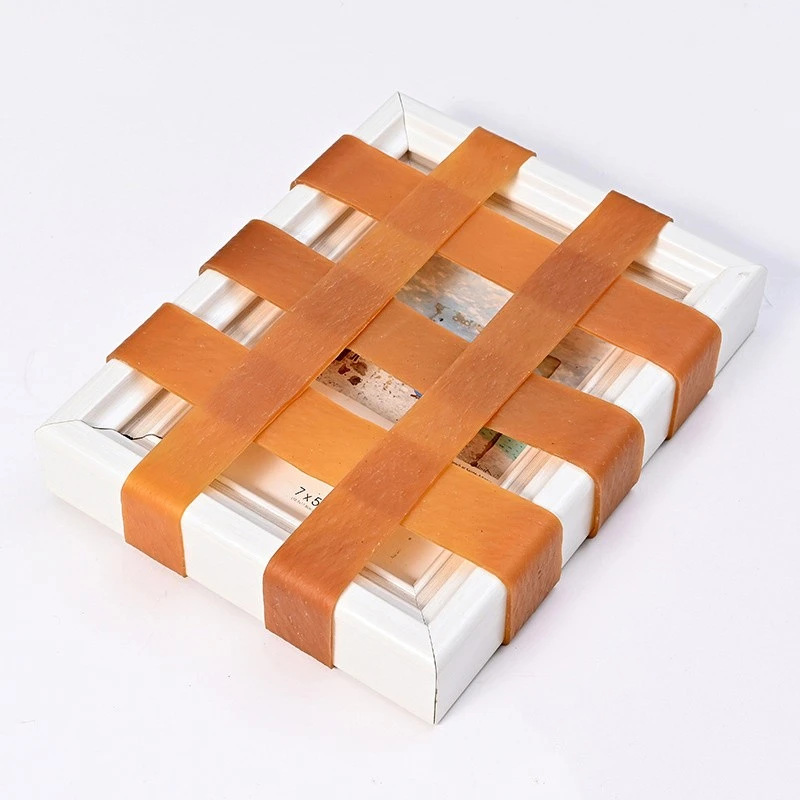
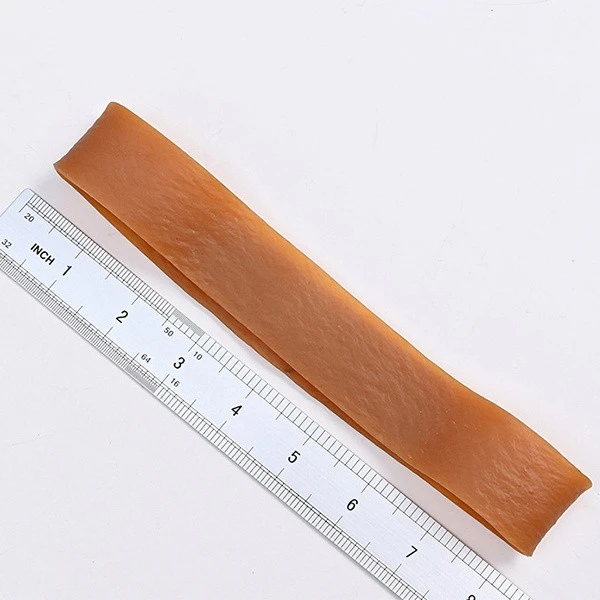
Rubber bands are one of the most common products made from natural rubber. Pure Rubber Bands are often made from high - quality natural rubber latex. The natural color of these rubber bands is usually a light yellowish - brown, which is a result of the coagulation and processing steps. This natural color gives the rubber bands a classic and rustic look.
Thick Natural Color Rubber Bands may have a slightly deeper color due to the higher concentration of rubber in the band. The thickness of the band can also make the color appear more intense. These thick bands are often used in industrial applications where strength and durability are important.
Large Natural Rubber Bands are commonly used for bundling large items. Their size and the natural color add a unique aesthetic to the items they are used to bind. The natural color of these bands can also give an indication of their quality, as a more consistent and appealing color often suggests better - processed rubber.
2. Gloves
Natural rubber latex gloves are widely used in the medical and food industries. These gloves are usually white or off - white when they are made from pure natural rubber latex. The color is important in these applications as it gives a clean and hygienic appearance. Any discoloration in the gloves could be a sign of contamination or improper processing, which is unacceptable in these sensitive industries.
3. Tires
Tires are another major product made from natural rubber. The color of tires is typically black, but this is not the natural color of the rubber. The black color comes from the addition of carbon black during the manufacturing process. Carbon black is added to improve the tire's strength, wear resistance, and UV protection. Without the carbon black, the tire would have a light brownish - yellow color similar to that of coagulated natural rubber.
Importance of Color in Natural Rubber Products
The color of natural rubber products can have both aesthetic and functional implications. From an aesthetic perspective, the color can enhance the appearance of the product and make it more appealing to consumers. For example, the natural color of rubber bands can add a touch of charm to packages or crafts.
Functionally, the color can sometimes be an indicator of the product's quality and performance. A consistent color in a natural rubber product often suggests proper processing and high - quality raw materials. On the other hand, significant color variations or discoloration can be a sign of poor quality, contamination, or improper storage.
Contact Us for Your Natural Rubber Needs
As a natural rubber color supplier, I understand the importance of providing high - quality natural rubber products with the right color. Whether you're looking for pure rubber bands, thick natural color rubber bands, or large natural rubber bands, we have the expertise and resources to meet your requirements.
If you're interested in learning more about our natural rubber products or would like to discuss a potential purchase, please feel free to reach out. We're always happy to engage in a detailed conversation about your specific needs and how we can provide the best solutions for your business.
References
- "The Science of Rubber" by Rubber Manufacturers Association
- "Natural Rubber: Chemistry, Properties, and Applications" by various industry experts in rubber technology