

As a supplier of colored rubber bands, I've often been asked about the breaking point of these versatile products. Understanding the breaking point is crucial for both consumers and businesses, as it determines the practical applications and limitations of colored rubber bands. In this blog post, I'll delve into the factors that influence the breaking point of colored rubber bands and provide some insights based on my experience in the industry.
What Determines the Breaking Point of Colored Rubber Bands?
The breaking point of a colored rubber band is primarily determined by its material composition, thickness, width, and the manufacturing process. Let's take a closer look at each of these factors:
Material Composition
Colored rubber bands are typically made from natural rubber or synthetic rubber compounds. Natural rubber is derived from the latex of rubber trees and is known for its high elasticity and strength. Synthetic rubber, on the other hand, is man-made and can be engineered to have specific properties, such as resistance to heat, chemicals, or abrasion.
The type of rubber used in a colored rubber band can significantly affect its breaking point. Natural rubber bands tend to have a higher breaking point than synthetic rubber bands, as they are more elastic and can stretch further without breaking. However, synthetic rubber bands may be more suitable for applications where resistance to environmental factors is required.
Thickness and Width
The thickness and width of a colored rubber band also play a crucial role in determining its breaking point. Generally, thicker and wider rubber bands have a higher breaking point than thinner and narrower ones. This is because thicker rubber bands have more material to distribute the stress when stretched, while wider rubber bands have a larger surface area to resist tearing.
When choosing colored rubber bands for a specific application, it's important to consider the thickness and width requirements. For example, if you need to secure heavy objects, you may want to choose thicker and wider rubber bands to ensure they can withstand the weight.
Manufacturing Process
The manufacturing process can also affect the breaking point of colored rubber bands. During the manufacturing process, rubber bands are subjected to various treatments, such as vulcanization, which helps to improve their strength and durability. The quality of the manufacturing process can vary depending on the manufacturer, so it's important to choose a reputable supplier that uses high-quality materials and advanced manufacturing techniques.
Testing the Breaking Point of Colored Rubber Bands
To determine the breaking point of colored rubber bands, manufacturers typically conduct tensile strength tests. These tests involve stretching a rubber band until it breaks and measuring the amount of force required to break it. The results of these tests are usually expressed in pounds per square inch (psi) or newtons per square millimeter (N/mm²).
As a supplier of colored rubber bands, we conduct regular quality control tests to ensure that our products meet the highest standards of quality and performance. We use state-of-the-art testing equipment to measure the tensile strength of our rubber bands and ensure that they meet or exceed the industry standards.
Applications of Colored Rubber Bands Based on Breaking Point
The breaking point of colored rubber bands determines their suitability for different applications. Here are some common applications of colored rubber bands based on their breaking point:
Low Breaking Point Applications
Colored rubber bands with a low breaking point are typically used for light-duty applications, such as securing papers, holding small objects together, or creating crafts. These rubber bands are usually thin and narrow, and they can stretch up to a few inches without breaking.
For example, Colored Rubber Band Ball is a popular craft that involves wrapping colored rubber bands around a core to create a ball. The rubber bands used in this craft typically have a low breaking point, as they are only required to hold the ball together.
Medium Breaking Point Applications
Colored rubber bands with a medium breaking point are suitable for medium-duty applications, such as securing packages, holding tools in place, or creating exercise equipment. These rubber bands are usually thicker and wider than those used for low-breaking point applications, and they can stretch up to several feet without breaking.
For example, Workout Rubber Bands are commonly used in fitness routines to provide resistance during exercises. These rubber bands typically have a medium breaking point, as they need to withstand the force exerted by the user during workouts.
High Breaking Point Applications
Colored rubber bands with a high breaking point are used for heavy-duty applications, such as securing large objects, holding machinery parts in place, or creating industrial products. These rubber bands are usually very thick and wide, and they can stretch up to several yards without breaking.
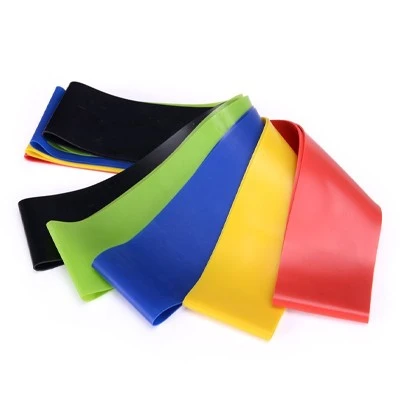
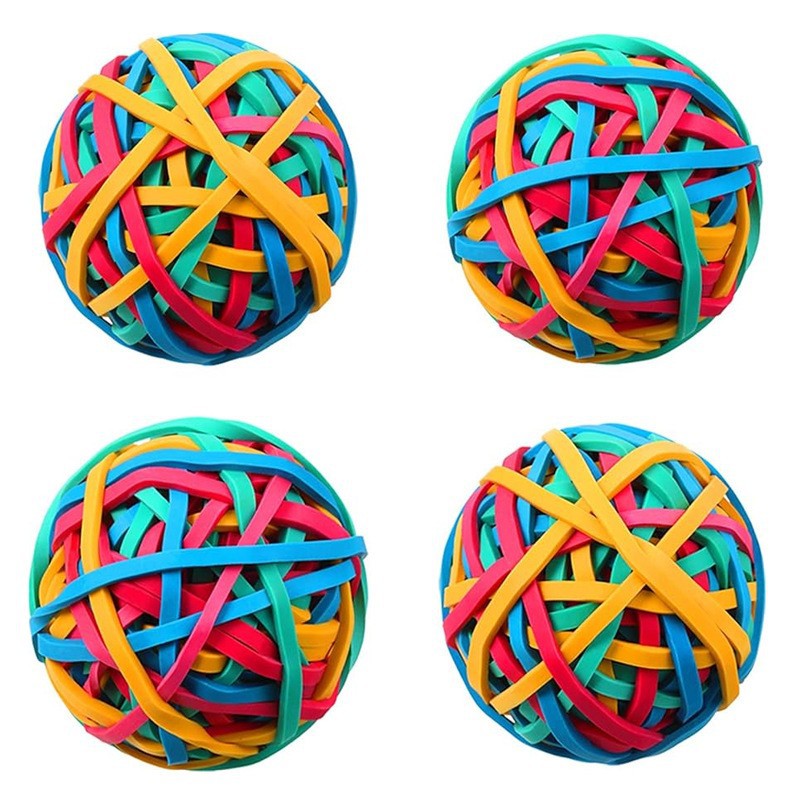
For example, High-tension Rubber Bands are commonly used in industrial applications, such as automotive manufacturing, aerospace engineering, and construction. These rubber bands are designed to withstand high levels of stress and can be used to secure heavy objects or provide tension in machinery.
Choosing the Right Colored Rubber Bands for Your Application
When choosing colored rubber bands for a specific application, it's important to consider the breaking point requirements. Here are some tips to help you choose the right colored rubber bands:
Determine the Application Requirements
Before choosing colored rubber bands, it's important to determine the specific requirements of your application. Consider the weight and size of the objects you need to secure, the amount of stress the rubber bands will be subjected to, and the environmental conditions in which they will be used.
Choose the Right Material
Based on the application requirements, choose the right material for your colored rubber bands. If you need a high breaking point, natural rubber bands may be the best choice. If you need resistance to environmental factors, synthetic rubber bands may be more suitable.
Consider the Thickness and Width
Choose the thickness and width of the colored rubber bands based on the application requirements. Thicker and wider rubber bands generally have a higher breaking point, but they may also be more expensive.
Choose a Reputable Supplier
Finally, choose a reputable supplier that offers high-quality colored rubber bands. Look for a supplier that has a good reputation in the industry, uses high-quality materials, and conducts regular quality control tests.
Contact Us for Your Colored Rubber Band Needs
If you're looking for high-quality colored rubber bands for your business or personal use, look no further. As a leading supplier of colored rubber bands, we offer a wide range of products to meet your specific needs. Our colored rubber bands are available in various colors, sizes, and breaking points, and they are suitable for a variety of applications.
Whether you need rubber bands for light-duty, medium-duty, or heavy-duty applications, we have the right product for you. Our team of experts can help you choose the right colored rubber bands based on your requirements and provide you with professional advice and support.
Contact us today to learn more about our colored rubber bands and to discuss your specific needs. We look forward to working with you!
References
- ASTM D412 - Standard Test Methods for Vulcanized Rubber and Thermoplastic Elastomers - Tension
- ISO 37 - Rubber, Vulcanized or Thermoplastic - Determination of Tensile Stress - Strain Properties