

Hey there! As a supplier of rubber band colors, I've had a fair share of folks asking about the differences between dyed and pigmented rubber band colors. And let me tell you, it's a topic that's more interesting than it might seem at first glance.
Understanding the Basics
First off, let's get a handle on what dyeing and pigmenting actually mean in the context of rubber bands.
When we're talking about dyed rubber bands, we're essentially dealing with a process where the color is absorbed into the rubber material. Dyes are usually in a liquid form and can be dissolved in water or other solvents. When the rubber band is immersed in the dye bath, the dye molecules penetrate the rubber's surface and get stuck within its structure. This gives the whole rubber band a consistent color from the inside out.
On the other hand, pigmented rubber bands involve adding solid color particles, called pigments, to the rubber compound during the manufacturing process. Pigments don't dissolve like dyes; instead, they're mixed in with the raw rubber materials. As the rubber is formed into bands, the pigments are evenly distributed throughout, creating the color.
Color Vibrancy and Longevity
One of the most noticeable differences between dyed and pigmented rubber bands is their color vibrancy. Dyed rubber bands often have a more intense and bright color right after the dyeing process. Because the dye penetrates the rubber, it can produce a very vivid and pure color. However, this vibrancy can fade over time, especially when the rubber bands are exposed to sunlight, heat, or chemicals. The dye molecules can break down or migrate out of the rubber, causing the color to dull.
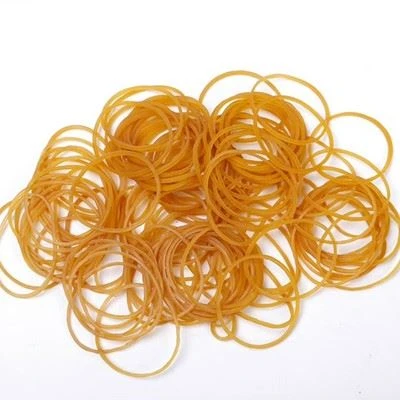
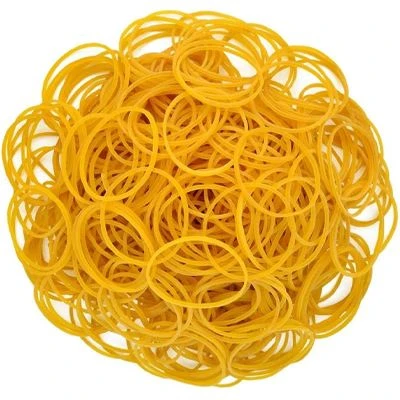
Pigmented rubber bands, on the other hand, tend to have a more subdued color at first. But the good news is that they are generally more colorfast. The solid pigment particles are more resistant to environmental factors like sunlight and heat. They don't break down as easily as dyes, so the color of pigmented rubber bands stays relatively stable over a longer period. This makes them a great choice if you need rubber bands that will maintain their color for a long time, like for outdoor use or in industrial settings.
Durability and Performance
Another aspect to consider is the durability of the rubber bands. Dyed rubber bands can sometimes be a bit more delicate. The dyeing process can potentially weaken the rubber structure to some extent, especially if the dyeing conditions are too harsh. This might lead to a slightly reduced elasticity or a shorter lifespan for the rubber bands.
Pigmented rubber bands, since the pigments are mixed into the rubber compound during manufacturing, usually have a more consistent and robust structure. The pigments don't interfere with the rubber's molecular bonds as much as dyes can, so the rubber bands tend to maintain their elasticity and strength better. This makes them a reliable option for applications where the rubber bands need to withstand a lot of stretching and pulling, such as in packaging or industrial machinery.
Cost and Production Considerations
Let's talk money for a bit. Dyed rubber bands are often less expensive to produce. The dyeing process is relatively simple and doesn't require as many specialized materials or equipment as pigmenting. This can translate into lower costs for the end - user, especially if you're looking for a large quantity of rubber bands.
However, if you're willing to pay a bit more, pigmented rubber bands offer better long - term value. The upfront cost might be higher, but their superior colorfastness and durability mean you won't have to replace them as often. This can save you money in the long run, especially for applications where performance and appearance are crucial.
Applications and Uses
The choice between dyed and pigmented rubber bands also depends on their intended use. If you're using rubber bands for crafts or office use, where color vibrancy is more important than long - term durability, dyed rubber bands might be perfect. You can get a wide range of bright colors to add a pop of color to your projects. For example, Red And Green Rubber Bands in dyed form can be great for holiday decorations or themed crafts.
On the other hand, if you're in the packaging industry or need rubber bands for industrial applications like bundling products or securing machinery parts, pigmented rubber bands are the way to go. Their color stability and durability ensure that they will perform well under various conditions. Large Wide Rubber Bands and Skinny Rubber Bands in pigmented form can be highly reliable for these types of uses.
Making the Right Choice
As a supplier, I understand that choosing the right type of rubber band color can be a tough decision. It really boils down to your specific needs and budget. If you have a short - term project that requires bright, temporary colors, go for dyed rubber bands. But if you need rubber bands that will last through repeated use and exposure to the elements, pigmented rubber bands are the better option.
We have a wide range of both dyed and pigmented rubber bands in different sizes, colors, and quantities. Whether you're a small business looking for packaging solutions or a craft enthusiast in need of colorful rubber bands, we've got you covered.
If you're interested in learning more about our rubber band color options or have any questions about which type is best for your application, don't hesitate to reach out. We're here to help you make the right choice and ensure your project is a success. Looking forward to discussing your rubber band needs and starting a great business relationship!
References
- "Rubber Manufacturing Handbook"
- "Color Chemistry in Polymer Materials"