

As a leading supplier of hot pink rubber bands, I've been deeply involved in understanding every aspect of these vibrant, elastic products. One of the frequently asked questions I encounter is about the fatigue life of hot pink rubber bands. In this blog, I'll delve into what fatigue life means for rubber bands, the factors that influence it, and how we ensure our hot pink rubber bands offer a long - lasting performance.
Understanding Fatigue Life in Rubber Bands
The fatigue life of a rubber band refers to the number of cycles of stretching and relaxation a rubber band can endure before it fails. Failure can manifest in various ways, such as breaking, losing its elasticity, or developing visible cracks. When a rubber band is repeatedly stretched and released, internal stresses build up within the rubber material. Over time, these stresses cause damage at the molecular level, leading to the degradation of the rubber's mechanical properties.
For hot pink rubber bands, which are often used in a variety of applications from office use to crafting, understanding their fatigue life is crucial. In an office setting, for example, a rubber band might be used to bundle papers multiple times a day. In crafting, it could be stretched and manipulated during the creation of various projects. Knowing how long a rubber band can last under these conditions helps both consumers and businesses plan their usage and make informed purchasing decisions.
Factors Affecting the Fatigue Life of Hot Pink Rubber Bands
Material Composition
The type of rubber used in the manufacturing of hot pink rubber bands plays a significant role in determining their fatigue life. Natural rubber, known for its high elasticity and resilience, generally offers good fatigue resistance. It can withstand a large number of stretching cycles without significant degradation. Synthetic rubbers, on the other hand, such as styrene - butadiene rubber (SBR) or nitrile rubber, may have different fatigue properties depending on their formulation.
At our company, we use a carefully selected blend of natural and synthetic rubbers to ensure the best balance of properties. The natural rubber provides the initial high elasticity, while the synthetic rubber enhances the durability and resistance to environmental factors. The hot pink color is added using high - quality pigments that do not compromise the integrity of the rubber material.
Temperature
Temperature has a profound impact on the fatigue life of rubber bands. At high temperatures, rubber becomes softer and more prone to deformation. The increased molecular mobility at elevated temperatures can accelerate the damage caused by repeated stretching. On the other hand, at low temperatures, rubber becomes more brittle, and the risk of cracking during stretching increases.
Our hot pink rubber bands are designed to perform well within a wide temperature range. Through extensive testing, we have optimized the rubber formulation to maintain its elasticity and fatigue resistance in temperatures ranging from - 20°C to 60°C. This makes them suitable for use in various environments, whether it's a cold storage room or a hot summer day outdoors.
Strain Level
The amount of stretching a rubber band undergoes also affects its fatigue life. Higher strain levels, where the rubber band is stretched to a greater extent, cause more significant internal stresses. These stresses can lead to faster damage and a shorter fatigue life. For example, if a rubber band is stretched to its maximum capacity repeatedly, it will likely fail sooner than if it is used within a more moderate strain range.
We recommend using our hot pink rubber bands within a strain range of 100% - 300% of their original length. This range ensures optimal performance and a longer fatigue life. Our product packaging includes clear instructions on the recommended usage to help customers get the most out of our rubber bands.
Environmental Exposure
Exposure to environmental factors such as sunlight, ozone, and chemicals can also reduce the fatigue life of rubber bands. Sunlight contains ultraviolet (UV) radiation, which can break down the rubber molecules over time. Ozone, a highly reactive gas present in the atmosphere, can cause cracking and degradation of the rubber surface. Chemicals, such as solvents or oils, can also interact with the rubber and change its properties.

To protect our hot pink rubber bands from environmental damage, we apply a special protective coating during the manufacturing process. This coating acts as a barrier against UV radiation, ozone, and many common chemicals. It helps to extend the fatigue life of the rubber bands, even when they are used in harsh environments.
Testing the Fatigue Life of Hot Pink Rubber Bands
To ensure the quality and performance of our hot pink rubber bands, we conduct rigorous fatigue testing. We use specialized testing equipment that can simulate thousands of stretching and relaxation cycles. During the test, we monitor the rubber bands for signs of failure, such as breaking, loss of elasticity, or visible cracks.
We also test our rubber bands under different conditions, including varying temperatures, strain levels, and environmental exposures. This comprehensive testing allows us to accurately determine the fatigue life of our hot pink rubber bands and make any necessary adjustments to the manufacturing process.
Applications and Fatigue Life Considerations
Our hot pink rubber bands have a wide range of applications, each with its own fatigue life requirements.
Office Use
In an office environment, rubber bands are commonly used to bundle papers. The typical strain level for this application is relatively low, usually around 100% - 150% of the original length. The frequency of use can vary, but on average, a rubber band might be stretched and released a few times a day. Under these conditions, our hot pink rubber bands can last for several months or even years, depending on the specific usage pattern.
Crafting
Crafting projects often involve more complex manipulation of rubber bands. They may be stretched to different lengths, tied into knots, or used in combination with other materials. The strain levels can be higher, and the frequency of stretching can be more irregular. However, our hot pink rubber bands are designed to withstand these challenges. With proper usage, they can last through multiple crafting projects.
Fitness and Exercise
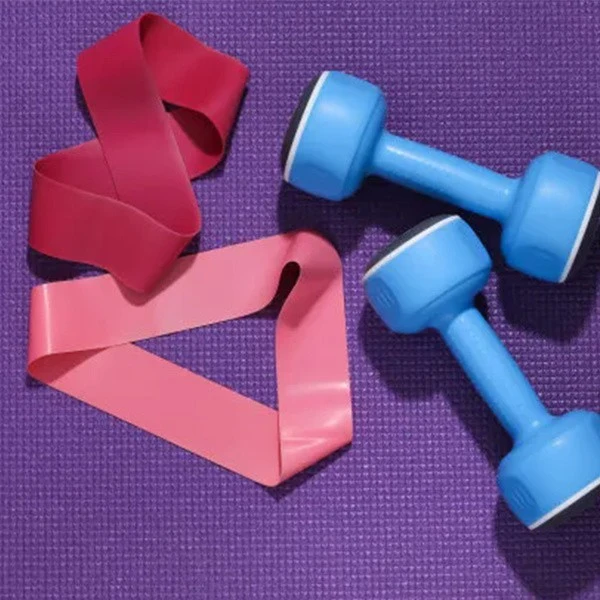
Pink Workout Band are also popular for fitness and exercise. In this application, the rubber bands are subjected to high - intensity stretching and repeated use. The strain levels can reach up to 300% or more of the original length. Our hot pink workout bands are specifically formulated to handle these demanding conditions. They have a longer fatigue life compared to regular rubber bands, ensuring they can withstand the rigors of intense workouts.
Other Pink Rubber Band Options
In addition to our hot pink rubber bands, we also offer other pink - colored rubber band options. Light Pink Rubber Band are perfect for more delicate applications, such as gift wrapping or floral arrangements. They have a similar fatigue life to our hot pink rubber bands but offer a softer, more subtle look.
Large Pink Rubber Bands are suitable for heavier - duty tasks, such as bundling large items or securing packages. They are made with a thicker rubber material, which gives them a longer fatigue life and greater strength.
Conclusion
The fatigue life of hot pink rubber bands is influenced by several factors, including material composition, temperature, strain level, and environmental exposure. At our company, we take these factors into account during the manufacturing process to ensure our rubber bands offer a long - lasting performance. Through rigorous testing and quality control, we can provide our customers with hot pink rubber bands that meet their specific needs.
If you're interested in purchasing our hot pink rubber bands or other pink - colored rubber band options, we'd love to hear from you. Whether you're a small business looking for office supplies or a large manufacturer in need of high - quality rubber bands for your products, we can provide you with the right solution. Contact us today to start a discussion about your requirements and let's work together to find the perfect rubber band for your application.
References
- "Rubber Technology: Compounding, Testing, and Applications" by Maurice Morton
- "Handbook of Elastomers" edited by K. C. Frisch and L. P. Rubens