

The hardness of a thick rubber band is a crucial characteristic that influences its performance and suitability for various applications. As a supplier of thick rubber bands, I've witnessed firsthand how different levels of hardness can make or break a project. In this blog, we'll delve into what hardness means in the context of thick rubber bands, how it's measured, and why it matters.
Understanding Hardness in Rubber Bands
Hardness in rubber bands refers to their resistance to indentation or deformation. A harder rubber band will be more difficult to stretch and will return to its original shape more quickly after being stretched. Conversely, a softer rubber band will be easier to stretch but may take longer to return to its original form or may not fully recover at all.
The hardness of a rubber band is determined by its chemical composition and the manufacturing process. Rubber bands are typically made from natural rubber or synthetic rubber compounds. Natural rubber is derived from the latex of rubber trees, while synthetic rubbers are made from petrochemicals. The type of rubber used, as well as the additives and fillers incorporated into the rubber compound, can significantly affect the hardness of the final product.
Measuring the Hardness of Rubber Bands
The most common method for measuring the hardness of rubber bands is the Shore durometer scale. The Shore durometer scale measures the indentation hardness of a material by pressing a needle-shaped indenter into the material and measuring the depth of the indentation. The scale ranges from 0 to 100, with higher numbers indicating a harder material.
For thick rubber bands, the Shore A scale is typically used. The Shore A scale is suitable for measuring the hardness of softer rubber materials, such as rubber bands. A thick rubber band with a Shore A hardness of 30-40 would be considered relatively soft, while a band with a Shore A hardness of 70-80 would be considered relatively hard.
Factors Affecting the Hardness of Thick Rubber Bands
Several factors can affect the hardness of thick rubber bands. These include:

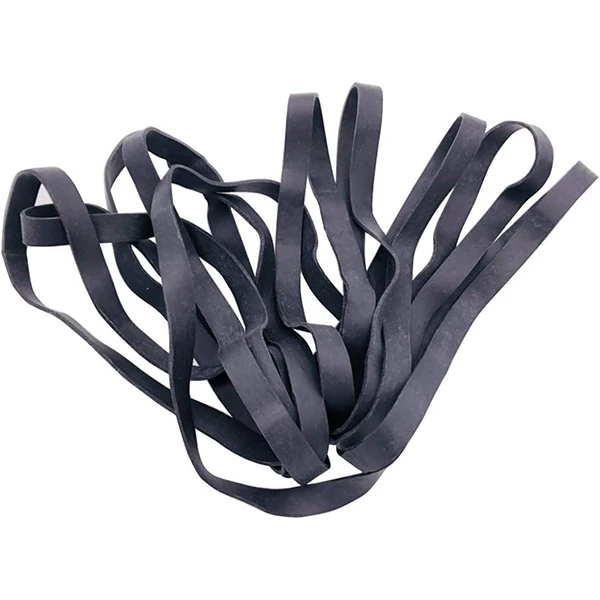
- Rubber Type: As mentioned earlier, the type of rubber used in the manufacturing process can have a significant impact on the hardness of the rubber band. Natural rubber tends to be softer and more elastic than synthetic rubbers, while synthetic rubbers can be engineered to have a wide range of hardness levels.
- Additives and Fillers: The addition of additives and fillers to the rubber compound can also affect the hardness of the rubber band. For example, the addition of carbon black can increase the hardness and strength of the rubber, while the addition of plasticizers can make the rubber softer and more flexible.
- Curing Process: The curing process, which involves heating the rubber compound to a specific temperature for a set period of time, can also affect the hardness of the rubber band. A longer curing time or a higher curing temperature can result in a harder rubber band.
- Environmental Conditions: The hardness of a rubber band can also be affected by environmental conditions, such as temperature and humidity. Rubber bands tend to become softer and more flexible in warmer temperatures and harder and more brittle in colder temperatures.
Importance of Hardness in Thick Rubber Bands
The hardness of a thick rubber band is an important consideration for many applications. Here are some reasons why:
- Strength and Durability: A harder rubber band is generally stronger and more durable than a softer one. This makes it more suitable for applications where the rubber band will be subjected to high levels of stress or tension, such as in industrial or heavy-duty applications.
- Elasticity and Stretchability: While a harder rubber band may be stronger, it may also be less elastic and stretchable than a softer one. This can be a disadvantage in applications where the rubber band needs to be stretched to a large extent, such as in packaging or bundling applications.
- Resistance to Wear and Tear: A harder rubber band is generally more resistant to wear and tear than a softer one. This makes it more suitable for applications where the rubber band will be in contact with rough or abrasive surfaces, such as in machinery or equipment.
- Temperature Resistance: A harder rubber band is generally more resistant to temperature changes than a softer one. This makes it more suitable for applications where the rubber band will be exposed to high or low temperatures, such as in automotive or aerospace applications.
Applications of Thick Rubber Bands with Different Hardness Levels
Thick rubber bands with different hardness levels are used in a wide variety of applications. Here are some examples:
- Soft Thick Rubber Bands: Soft thick rubber bands, with a Shore A hardness of 30-40, are commonly used in applications where flexibility and stretchability are important. These include packaging, bundling, and crafts. Small Thick Rubber Bands are often used for these types of applications.
- Medium Hard Thick Rubber Bands: Medium hard thick rubber bands, with a Shore A hardness of 50-60, are commonly used in applications where a balance of strength and flexibility is required. These include industrial applications, such as in machinery and equipment, as well as in consumer products, such as in hair ties and elastic bands.
- Hard Thick Rubber Bands: Hard thick rubber bands, with a Shore A hardness of 70-80, are commonly used in applications where high strength and durability are required. These include heavy-duty industrial applications, such as in construction and manufacturing, as well as in automotive and aerospace applications. Industrial Strength Rubber Bands are often used for these types of applications.
Choosing the Right Hardness for Your Application
When choosing a thick rubber band for your application, it's important to consider the specific requirements of your project. Here are some factors to consider:
- Application Requirements: Consider the specific requirements of your application, such as the level of stress or tension the rubber band will be subjected to, the amount of stretch required, and the environmental conditions the rubber band will be exposed to.
- Hardness Level: Based on the application requirements, choose a rubber band with the appropriate hardness level. If you're unsure which hardness level is right for your application, consult with a rubber band supplier or manufacturer.
- Quality and Durability: Look for a high-quality rubber band that is made from a durable material and has been manufactured to strict quality standards. This will ensure that the rubber band performs well and lasts for a long time.
Our Thick Rubber Band Offerings
As a supplier of thick rubber bands, we offer a wide range of products with different hardness levels to meet the needs of various applications. Our Thick Black Rubber Bands are made from high-quality rubber materials and are available in a variety of sizes and hardness levels. Whether you need a soft rubber band for packaging or a hard rubber band for industrial applications, we have the right product for you.
Contact Us for Your Thick Rubber Band Needs
If you're in the market for thick rubber bands, we'd love to hear from you. Our team of experts can help you choose the right rubber band for your application and provide you with a competitive quote. Contact us today to discuss your requirements and start a partnership that will meet your thick rubber band needs.
References
- ASTM D2240 - Standard Test Method for Rubber Property - Durometer Hardness
- Rubber Manufacturers Association (RMA) - Technical Information on Rubber Products