

Hey there! As a supplier of purple rubber bands, I often get asked about what materials these funky purple bands are made of. So, I thought I'd break it down for you in this blog post.
The Basics of Rubber Bands
First off, let's talk about rubber bands in general. Rubber bands are super handy little things that we use for all sorts of stuff, from keeping our papers together to bundling up cords. They're stretchy, flexible, and can hold a lot of things in place. But what makes them so stretchy? Well, it all comes down to the materials they're made of.
Most rubber bands are made from either natural rubber or synthetic rubber. Natural rubber is derived from the latex sap of the rubber tree, scientifically known as Hevea brasiliensis. This sap is collected by making cuts in the tree's bark and letting the latex drip out into containers. It's then processed to remove impurities and turned into a usable form of rubber.
On the other hand, synthetic rubber is man - made. It's created through a chemical process using various petroleum - based compounds. There are different types of synthetic rubber, such as styrene - butadiene rubber (SBR), neoprene, and nitrile rubber. Each type has its own unique properties and is used for different applications.
What Makes Them Purple?
Now, let's get to the purple part. To make rubber bands purple, a colorant is added during the manufacturing process. There are two main types of colorants used: pigments and dyes.
Pigments are insoluble particles that are dispersed throughout the rubber material. They give the rubber band its color by reflecting certain wavelengths of light. Pigments are often preferred for rubber bands because they are more stable and resistant to fading over time. They can withstand exposure to sunlight, heat, and chemicals better than dyes.
Dyes, on the other hand, are soluble colorants that dissolve in the rubber material. They tend to provide a more intense and transparent color, but they may not be as durable as pigments. Dyes are more likely to fade when exposed to harsh conditions.
For our purple rubber bands, we use high - quality pigments. These pigments are carefully selected to ensure that the purple color is vibrant, long - lasting, and consistent across all our products.
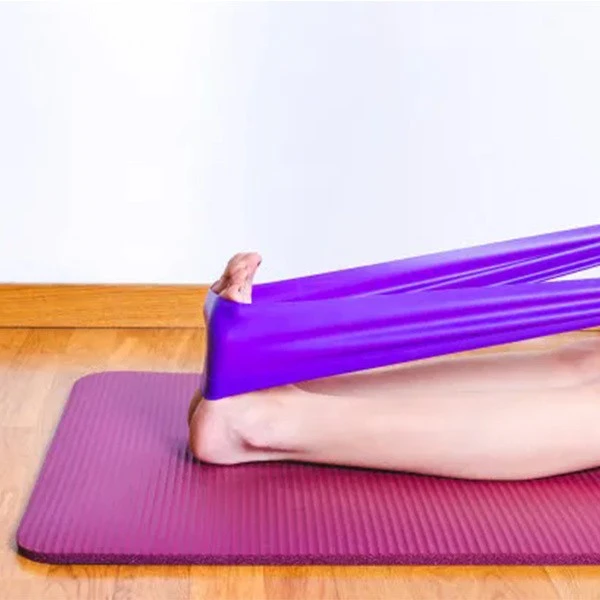
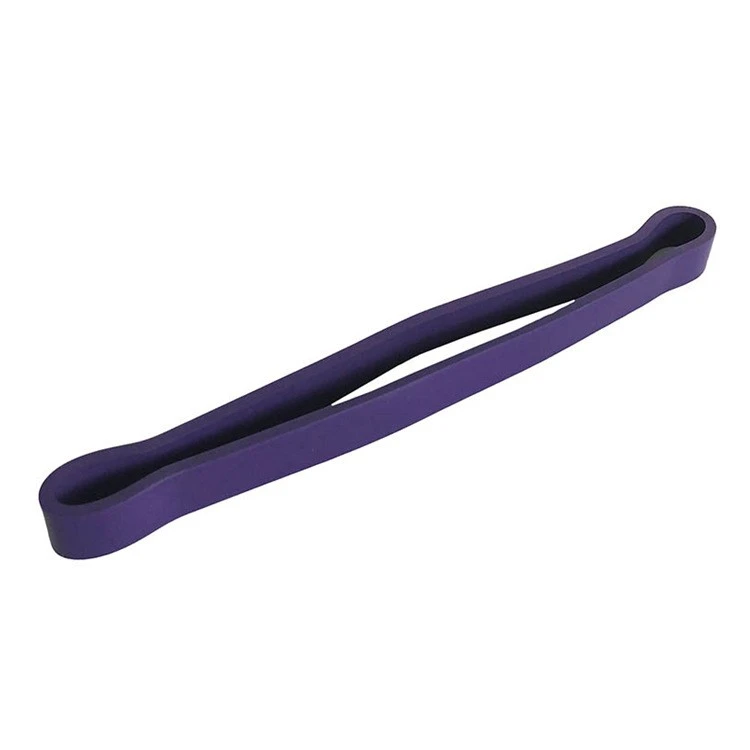
Our Purple Rubber Bands: Natural or Synthetic?
At our supply business, we offer both natural and synthetic purple rubber bands. Each type has its own advantages, and it really depends on what you need them for.
Natural Rubber Purple Bands
Natural rubber purple bands are great for applications where you need high elasticity and flexibility. They have excellent stretchability and can return to their original shape after being stretched. Natural rubber is also biodegradable, which is a big plus if you're looking for an environmentally - friendly option.
These bands are perfect for everyday use, like in offices or at home. You can use them to hold together stacks of papers, organize your craft supplies, or even for some DIY projects. Check out our High Quality Purple Rubber Bands for a great selection of natural rubber purple bands.
Synthetic Rubber Purple Bands
Synthetic rubber purple bands, on the other hand, have some unique properties that make them suitable for more specialized applications. For example, styrene - butadiene rubber (SBR) purple bands are resistant to abrasion and have good tear strength. They're often used in industrial settings, like in machinery or manufacturing processes.
Neoprene purple bands are resistant to oil, chemicals, and heat. They're ideal for applications where the rubber band will be exposed to harsh environments. Nitrile rubber purple bands are known for their excellent resistance to solvents and fuels, making them a good choice for automotive or chemical industries.
If you need smaller purple bands for more delicate tasks, we have Small Purple Rubber Band. And for larger, more heavy - duty jobs, our Large Purple Rubber Bands are the way to go.
Manufacturing Process
The manufacturing process of purple rubber bands is quite interesting. It starts with mixing the rubber material (either natural or synthetic) with the colorant and other additives. These additives can include things like antioxidants, which help prevent the rubber from breaking down over time, and vulcanizing agents, which make the rubber more durable and elastic.
The mixture is then heated and kneaded to ensure that the colorant and additives are evenly distributed throughout the rubber. After that, the rubber is extruded through a die to form long, thin strips. These strips are then cut into individual rubber bands of the desired size.
Finally, the rubber bands are inspected for quality. We make sure that they have the right color, size, and elasticity. Any bands that don't meet our standards are rejected.
Why Choose Our Purple Rubber Bands?
There are a few reasons why you should choose our purple rubber bands. First of all, we have a wide range of sizes and types to choose from. Whether you need small bands for a craft project or large bands for an industrial application, we've got you covered.
Secondly, we focus on quality. We use only the best materials and manufacturing processes to ensure that our purple rubber bands are durable, long - lasting, and have a vibrant color.
Lastly, we offer competitive prices. We understand that you want to get the best value for your money, and we strive to provide high - quality products at affordable prices.
Let's Do Business!
If you're interested in purchasing our purple rubber bands, whether it's for personal use, business, or industrial applications, we'd love to hear from you. We can work with you to find the right type and quantity of purple rubber bands that meet your specific needs. Just reach out to us, and we'll start the process of getting you the perfect purple rubber bands.
References
- "The Science of Rubber". Rubber Manufacturers Association.
- "Colorants in Rubber Products". Journal of Polymer Science.