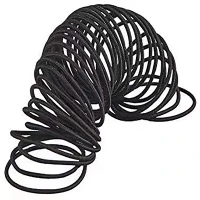
Agricultural rubber bands are a professional field. Rubber bands are mainly divided into three categories in agricultural applications: harvesting and bundling, plant support and food packaging.The requirements for rubber bands in agricultural scenarios are actually much more stringent than those in offices. Three contradictions need to be considered at the same time: both long-lasting elasticity and easy disassembly, strong weather resistance and low cost, and food safety.Therefore, there is often a "pain point" in the use of rubber bands - the loss rate of agricultural products caused by rubber band breakage.
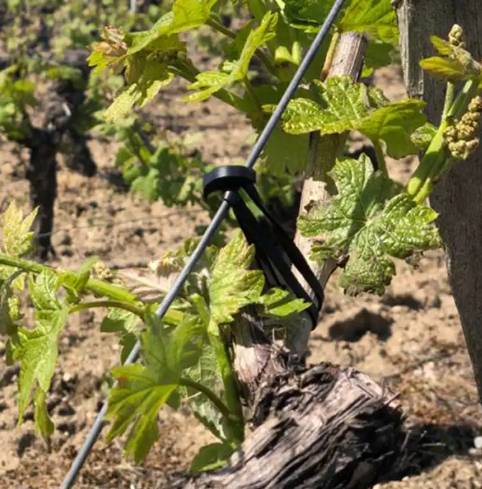
Another factor to consider when choosing agricultural rubber bands is the climate of the region. Temperate and tropical regions have different performance requirements for rubber bands. Cold regions need to choose low-temperature resistant rubber bands to avoid brittle cracking during use, while hot regions need to pay attention to the rubber bands' UV resistance and anti-aging capabilities.Among them, UV tolerance and resistance to microbial decomposition are unique requirements for agriculture, and ordinary rubber bands will age quickly in these scenarios. Interestingly, different crops also have requirements for the color of rubber bands: white is used for mushrooms to avoid dyeing, and brown is used in organic farms to appear "natural".Therefore, the selection of compliant agricultural rubber bands needs to be analyzed from a professional perspective. We classify it into three dimensions: mechanical properties, environmental tolerance, and safety compliance.
Mechanical properties
|
Features |
Technical parameter requirements |
Agricultural scenario case description |
| Tensile strength |
≥18 MPa (ASTM D412) |
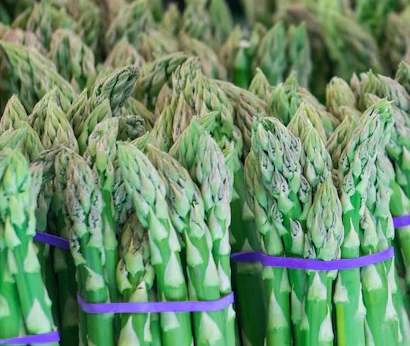
Withstands stem expansion force when tying celery/asparagus bundles |
|
Elongation at break |
≥600% |
It is not easy to break when overstretched during bagging operation |
|
Permanent deformation rate |
≤15% (72-hour recovery test) |
Still elastic after long-term bundling of vegetables |
|
Rebound speed |
Retracts ≥90% of length within 0.5 seconds |
Requirements for efficient operation of automated packaging lines |
Tolerance to special environments
For example: UV resistance level: ≥UV7 (tomato vines need to withstand 2000 hours of sunlight)
Temperature adaptability: -30℃~80℃ to maintain elasticity (common in cold storage bundling/tropical transportation scenarios)
It is also necessary to consider the medium (environment) that the rubber band contacts, such as water/humidity, plant juice, animal fat, etc.
Biosafety
For example: Microbial control: Meet antibacterial standards (prevent mold growth in the wet field environment)
No allergens: Natural rubber protein content ≤ 0.1% (avoid the risk of contact for those allergic to latex)
Rubber bands used in the agricultural field must meet the three core requirements of high-strength functionality, environmental tolerance, and food safety. Their product characteristics need to be designed specifically according to specific application scenarios (such as field bundling, post-harvest packaging, and food processing).
Agricultural rubber bands are key auxiliary materials throughout the "field-table" chain, and their performance parameters are directly related to the loss rate of agricultural products and food safety compliance risks.
If you are also looking for a suitable rubber band, please feel free to contact us!