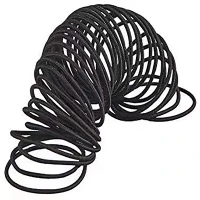

The working principle of rubber products is mainly based on the physical and chemical properties of rubber materials, including its elasticity, plasticity and sealing. Rubber is a polymer compound with remarkable elasticity and plasticity, which enables rubber products to maintain stable operation under various working conditions.
Physical and Chemical Properties of Rubber Materials
Rubber is a polymer compound with remarkable elasticity and plasticity. When rubber products are subjected to external pressure, they will undergo elastic deformation, that is, they can be compressed and then return to their original shape. This elastic deformation ability enables rubber products to fit tightly to the joints and form an effective sealing barrier. In addition, the plasticity of rubber materials enables them to produce plastic deformation under pressure, further filling the defects and unevenness of the joints and enhancing the sealing effect.
Application of Rubber Products in Different Fields
Rubber products are widely used in automobiles, aerospace, engineering machinery, petrochemicals and other fields. For example:
Automobile: Rubber seals are used to prevent oil leakage and ensure the normal operation of engines and other components.
Aerospace: Rubber seals maintain the sealing of equipment under high pressure to ensure the safety of aircraft.
Construction machinery: Rubber seals prevent leakage of hydraulic oil and other liquids in heavy machinery.
Petrochemical industry: Rubber seals prevent leakage of harmful substances in chemical equipment, protecting the environment and the safety of operators.