

Can little rubber bands be used for sports equipment?
In the world of sports and fitness, innovation often comes from the most unexpected places. As a supplier of Little Rubber Bands, I've spent a great deal of time exploring the diverse applications of these seemingly ordinary items. At first glance, little rubber bands may appear to be nothing more than simple office or household tools, but upon closer inspection, their potential as sports equipment is truly remarkable.
The Science Behind Rubber Bands in Sports
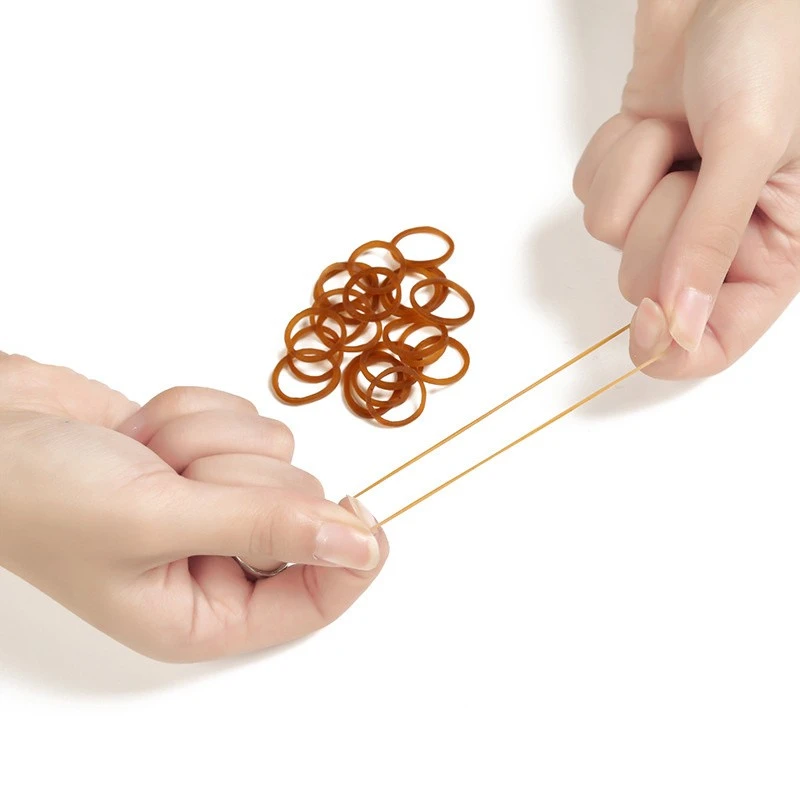
To understand how little rubber bands can be used in sports, it's essential to delve into the science of elasticity. Rubber bands are made from elastic materials that can stretch and return to their original shape. This property, known as elasticity, is what makes them so useful in various sports applications. When a rubber band is stretched, it stores potential energy. As it returns to its original shape, this potential energy is converted into kinetic energy, which can be harnessed for a variety of physical activities.
For example, in resistance training, the elastic resistance provided by rubber bands can mimic the effects of traditional weights. When you stretch a rubber band during an exercise, such as a bicep curl or a leg extension, the band resists the movement, forcing your muscles to work harder. This increased resistance helps to build strength, endurance, and muscle mass. Unlike weights, rubber bands provide a variable resistance throughout the range of motion, which can lead to more balanced muscle development.
Types of Little Rubber Bands for Sports
There are several types of little rubber bands that can be used for sports equipment, each with its own unique properties and applications.
Small Fat Rubber Bands
Small fat rubber bands are thicker and wider than regular rubber bands, which means they can provide more resistance. They are ideal for more intense resistance training exercises, such as heavy-duty strength training or rehabilitation exercises. These bands can be used to target larger muscle groups, such as the thighs, chest, and back.
Small Wide Black Rubber Bands
Small wide black rubber bands offer a different level of resistance and flexibility. Their wider design allows for a more comfortable grip, making them suitable for a variety of exercises. They can be used for both upper and lower body workouts, including shoulder presses, tricep dips, and ankle resistance exercises.

Practical Applications of Little Rubber Bands in Sports
Home Workouts
One of the biggest advantages of using little rubber bands for sports equipment is their portability and affordability. You can easily carry a set of rubber bands with you wherever you go, making them perfect for home workouts or workouts on the go. With just a few rubber bands, you can create a full-body workout routine that targets all major muscle groups.
For instance, you can use rubber bands to perform exercises such as squats, lunges, rows, and planks. Simply attach the bands to a stable object, such as a door handle or a sturdy pole, and use them to add resistance to your movements. This allows you to get a great workout without the need for expensive gym equipment.
Rehabilitation
Little rubber bands are also widely used in sports rehabilitation. After an injury, it's important to gradually rebuild strength and mobility in the affected area. Rubber bands provide a gentle and controlled form of resistance that can help to speed up the recovery process. Physical therapists often use rubber bands to guide patients through a series of exercises designed to improve range of motion, flexibility, and muscle strength.
For example, if you've suffered a knee injury, your therapist may recommend using rubber bands for exercises such as knee extensions and hamstring curls. These exercises can help to strengthen the muscles around the knee joint, providing support and stability during the healing process.
Sports Training
In addition to home workouts and rehabilitation, little rubber bands can also be used in sports training. Athletes in a variety of sports, including basketball, soccer, and tennis, can benefit from incorporating rubber band exercises into their training routines. Rubber bands can help to improve power, speed, and agility, which are essential for success in many sports.
For example, sprinters can use rubber bands for resistance running exercises. By attaching a rubber band around the waist and having a partner hold the other end, the sprinter can experience increased resistance while running, which can help to build stronger leg muscles and improve running speed.
Advantages of Using Little Rubber Bands as Sports Equipment
Cost-Effective
Compared to traditional sports equipment, such as weights and machines, little rubber bands are extremely cost-effective. You can purchase a set of rubber bands for a fraction of the cost of a weight set or a gym membership. This makes them an accessible option for people of all budgets who want to get in shape and stay active.
Space-Saving
Another advantage of using rubber bands is their compact size. They take up very little space, which is ideal for those who have limited living space or who want to work out at home. You can easily store a set of rubber bands in a drawer or a small bag, making them convenient to keep on hand whenever you need them.
Safe and Easy to Use
Little rubber bands are generally safe and easy to use. Unlike weights, which can be heavy and dangerous if not used properly, rubber bands pose a much lower risk of injury. They are also easy to adjust, allowing you to customize the level of resistance based on your fitness level and the specific exercise you're performing.
Conclusion
In conclusion, little rubber bands have significant potential as sports equipment. Their unique elastic properties, combined with their affordability, portability, and versatility, make them a valuable addition to any fitness routine. Whether you're looking to build strength, improve flexibility, or recover from an injury, little rubber bands can provide a safe and effective way to achieve your fitness goals.
If you're interested in exploring the possibilities of using little rubber bands for your sports or fitness needs, I encourage you to reach out to me. As a supplier of high-quality Little Rubber Bands, I can provide you with the products and information you need to get started. Let's discuss how we can work together to incorporate these innovative sports tools into your training regimen.
References
- Mark Rippetoe. "Starting Strength: Basic Barbell Training." Aasgaard Company, 2004.
- Gray Cook. "Movement: Functional Movement Systems Screen for Optimum Performance." Human Kinetics, 2007.
- Andrew Read. "Resistance Band Training: The Ultimate Guide to Building Muscle, Strength, and Endurance." CreateSpace Independent Publishing Platform, 2016.