

As a natural rubber color supplier, I've often been asked whether the color of natural rubber can be used to distinguish between different grades. This is a fascinating topic that lies at the intersection of material science and industry practice. In this blog post, I'll delve into the science behind natural rubber color, explore its relationship with rubber grades, and share insights from my experience in the field.
Understanding Natural Rubber and Its Color
Natural rubber is a polymer derived from the latex of rubber trees, primarily Hevea brasiliensis. The latex is a milky - white fluid that contains about 30 - 40% rubber particles suspended in an aqueous medium. When the latex is processed to obtain rubber, various factors can influence the color of the final product.
The natural color of rubber can range from a pale yellowish - white to a light brown. These variations in color are due to a combination of factors, including the source of the latex, the processing methods, and the presence of impurities. For instance, rubber sourced from different regions may have slightly different chemical compositions, which can affect its color. Additionally, the processing steps such as coagulation, drying, and vulcanization can also cause color changes.
Factors Affecting the Color of Natural Rubber
- Latex Source: Different rubber tree clones and growing conditions can lead to variations in the chemical composition of the latex. For example, trees grown in areas with different soil types, climate, and rainfall patterns may produce latex with different levels of proteins, lipids, and other substances. These substances can react during processing and contribute to color differences in the final rubber product.
- Processing Methods: The coagulation process is a critical step in rubber production. The type of coagulant used (such as acetic acid or formic acid) and the coagulation conditions (temperature, pH, etc.) can affect the color of the rubber. Drying is another important factor. If the rubber is dried at high temperatures or for extended periods, it can undergo oxidation, which may darken the color. Vulcanization, the process of cross - linking the rubber molecules, can also cause color changes depending on the vulcanizing agents and the vulcanization conditions.
- Impurities: The presence of impurities in the latex, such as dirt, bark, and other foreign materials, can affect the color of the rubber. During processing, these impurities may not be completely removed, leading to a darker or more uneven color in the final product.
Can Color Distinguish Different Grades of Natural Rubber?
In theory, the color of natural rubber can provide some clues about its grade, but it is not a definitive indicator. Rubber grades are typically determined by a combination of physical and chemical properties, such as tensile strength, elongation at break, hardness, and ash content. However, color can be related to some of these properties.

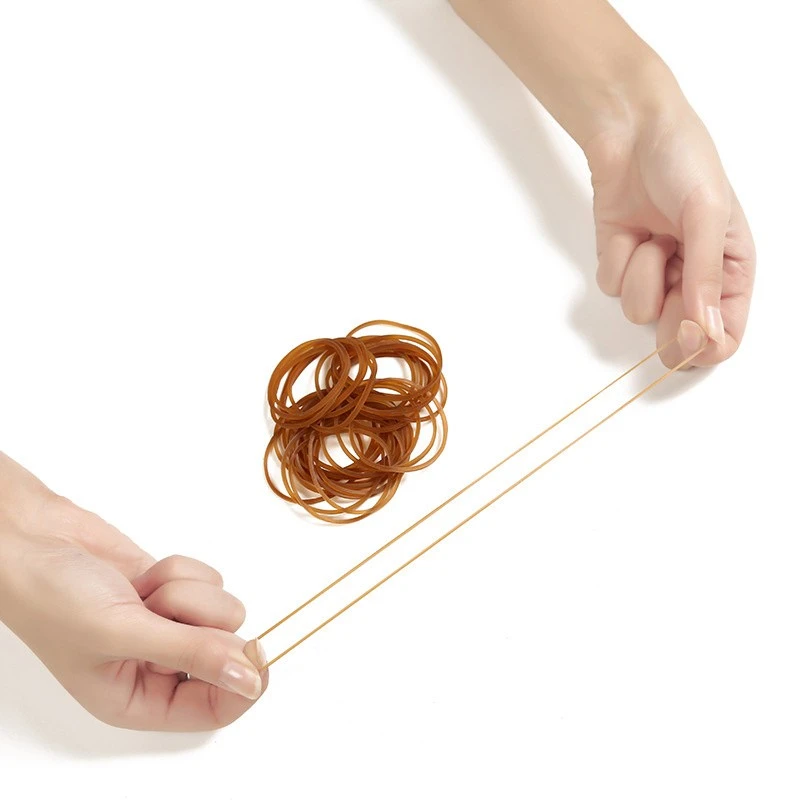
For example, darker - colored rubber may have undergone more oxidation during processing, which could potentially affect its mechanical properties. Oxidized rubber may have reduced tensile strength and elongation at break compared to lighter - colored rubber. Additionally, the presence of certain impurities that cause color changes may also affect the rubber's performance.
However, it's important to note that there are many other factors that can influence the performance of natural rubber, and color alone cannot accurately predict the grade. For instance, a rubber product with a slightly darker color may still meet the requirements for a high - grade rubber if it has excellent mechanical properties.
Using Color as a Supplementary Indicator
While color is not a conclusive way to determine rubber grades, it can be used as a supplementary indicator in some cases. For example, in a quality control setting, a sudden change in the color of a batch of rubber may indicate a problem in the production process. If the color of the rubber is significantly different from the normal range, it may prompt further testing to ensure that the rubber meets the required specifications.
In the market, customers may also have preferences for certain colors of natural rubber. Some applications may require lighter - colored rubber for aesthetic reasons, while others may not be as sensitive to color. As a natural rubber color supplier, I've noticed that products like Natural Color Rubber Bands and Thick Natural Color Rubber Bands are popular for their natural and clean appearance. The Light Brown Natural Rubber Bands also have their niche market, especially for applications where a more rustic or natural look is desired.
Case Studies
Let's look at some real - world examples to illustrate the relationship between color and rubber grades. In a rubber manufacturing plant, a batch of rubber was found to have a darker color than usual. Upon further testing, it was discovered that the drying process had been carried out at a higher temperature than normal, which led to oxidation and a decrease in the rubber's tensile strength. This case shows that color changes can sometimes be an early warning sign of potential quality issues.
On the other hand, in another instance, a customer requested a specific grade of rubber with a light - colored appearance for a cosmetic application. Through careful selection of the latex source and optimization of the processing conditions, we were able to produce a high - grade rubber that met both the quality and color requirements.
Conclusion
In conclusion, while the color of natural rubber can provide some information about its grade, it is not a reliable sole indicator. Rubber grades are determined by a complex set of physical and chemical properties, and color is just one of the many factors that can be influenced by various aspects of the production process.
However, color can still play a role in rubber quality control and market demand. As a natural rubber color supplier, I understand the importance of both color and quality in meeting customer needs. Whether you are looking for Natural Color Rubber Bands, Thick Natural Color Rubber Bands, or Light Brown Natural Rubber Bands, we are committed to providing high - quality products that meet your specific requirements.
If you are interested in purchasing natural rubber products or have any questions about our products, please feel free to contact us for more information and to discuss your procurement needs. We look forward to working with you to find the best natural rubber solutions for your business.
References
- "Natural Rubber Science and Technology" by A. D. Roberts
- "Rubber Technology: Compounding, Mixing, and Vulcanization" by Maurice Morton