

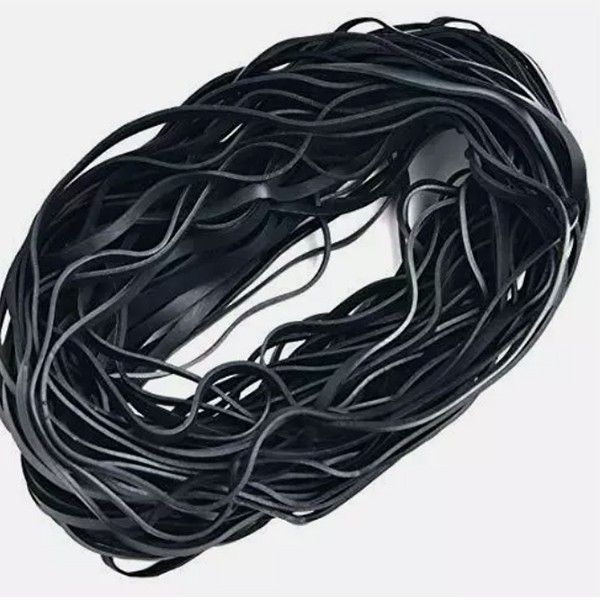
As a supplier of black rubber bands, I often get asked by customers how they can make these useful items last longer. Black rubber bands are versatile products used in various settings, from offices and schools to industrial applications. Ensuring their longevity not only saves money but also reduces waste. In this blog post, I'll share some practical tips and scientific insights on extending the lifespan of black rubber bands.
Understanding the Nature of Rubber
Before delving into the preservation methods, it's essential to understand what rubber is and how it degrades. Rubber is a polymer, a long - chain molecule made up of repeating units. Natural rubber is derived from the latex of rubber trees, while synthetic rubber is produced through chemical processes. Both types have elastic properties due to the flexible nature of their polymer chains.
However, rubber is susceptible to several factors that can cause it to deteriorate over time. These include exposure to oxygen, heat, light, and certain chemicals. When rubber is exposed to oxygen, it undergoes a process called oxidation. This causes the polymer chains to break down, leading to a loss of elasticity and the formation of cracks. Heat accelerates this oxidation process, as does exposure to ultraviolet (UV) light.
Storage Conditions
One of the most crucial factors in making black rubber bands last longer is proper storage. Here are some guidelines:
Temperature
Rubber bands should be stored in a cool environment. High temperatures can cause the rubber to become soft and sticky, and they can also speed up the oxidation process. A temperature range of 10 - 25 degrees Celsius is ideal. Avoid storing rubber bands near heat sources such as radiators, ovens, or direct sunlight. For example, if you have a storage room, make sure it is well - ventilated and away from any equipment that generates heat.
Humidity
Excessive humidity can also damage rubber bands. High moisture levels can lead to the growth of mold and mildew, which can weaken the rubber. Aim for a relative humidity level between 40% and 60%. You can use a dehumidifier in a storage area if the humidity is too high, or a humidifier if it is too low.
Light
UV light can break down the chemical bonds in rubber, causing it to become brittle and crack. Store black rubber bands in opaque containers or in a dark place. If you need to keep them in a visible area, use a container with UV - blocking properties.
Oxygen
To reduce oxidation, you can store rubber bands in airtight containers. This limits their exposure to oxygen and slows down the degradation process. You can also use vacuum - sealed bags for long - term storage.
Handling and Usage
How you handle and use black rubber bands also affects their lifespan.
Avoid Over - Stretching
Rubber bands have a limit to how much they can be stretched. Over - stretching them can cause the polymer chains to break, reducing their elasticity and strength. When using rubber bands, make sure not to exceed their recommended stretch limit. For example, if you're using a Big Black Rubber Band to hold a large bundle of items, choose the appropriate size to avoid excessive stretching.
Prevent Contact with Chemicals
Certain chemicals can react with rubber and cause it to deteriorate. Avoid contact with solvents, oils, and strong acids or bases. For instance, if you're working in an industrial setting where chemicals are present, make sure to keep rubber bands away from spills. If rubber bands do come into contact with chemicals, wash them immediately with mild soap and water and dry them thoroughly.
Regular Inspection
Periodically inspect your black rubber bands for signs of wear and tear. Look for cracks, discoloration, or a loss of elasticity. If you notice any of these signs, replace the rubber bands before they break completely. This can prevent damage to the items they are holding and ensure the safety of your operations.
Cleaning and Maintenance
Proper cleaning and maintenance can also extend the life of black rubber bands.
Cleaning
To clean black rubber bands, use a mild soap and water solution. Gently wipe the rubber bands with a soft cloth or sponge, then rinse them thoroughly and dry them with a clean towel. Avoid using abrasive cleaners or scrubbing too hard, as this can damage the rubber.
Lubrication
In some cases, lubricating rubber bands can help reduce friction and wear. You can use a silicone - based lubricant, which is safe for rubber. Apply a small amount of lubricant to the rubber bands and spread it evenly. This can be especially useful in applications where rubber bands are in constant contact with other surfaces.
Choosing the Right Rubber Bands
As a supplier, I know that not all black rubber bands are created equal. When purchasing rubber bands, consider the following factors:
Quality
Invest in high - quality black rubber bands. Higher - quality rubber bands are often made from better - grade rubber and are more resistant to degradation. They may cost a bit more upfront, but they will last longer and save you money in the long run. For example, Heavy Duty Black Rubber Bands are designed to withstand more stress and are less likely to break.
Size and Thickness
Choose the right size and thickness of rubber bands for your specific application. Using a rubber band that is too small or too thin for the job can cause it to break quickly. On the other hand, using one that is too large or thick may be wasteful.
Special Features
Some black rubber bands come with special features, such as UV protection or chemical resistance. If you need rubber bands for outdoor use or in a chemical - rich environment, consider these options. For example, Black And White Rubber Bands may have different properties depending on their intended use.
Conclusion
Making black rubber bands last longer requires a combination of proper storage, handling, cleaning, and choosing the right products. By following these tips, you can extend the lifespan of your black rubber bands, save money, and reduce waste.
If you're interested in purchasing high - quality black rubber bands or have any questions about our products, please feel free to contact us. We're always happy to assist you with your rubber band needs and help you find the best solutions for your applications.

References
- "The Science of Rubber" by Rubber Manufacturers Association
- "Rubber Degradation and Stabilization" by R. A. Dickie