

Gardening is a rewarding and therapeutic activity that allows us to connect with nature and cultivate beautiful plants. As a thick rubber band supplier, I've often been asked whether thick rubber bands can be used in gardening. In this blog post, I'll explore the various applications of thick rubber bands in gardening, highlighting their benefits and providing practical tips for using them effectively.
Securing Plant Stakes and Supports
One of the most common uses of thick rubber bands in gardening is to secure plant stakes and supports. When plants grow tall or heavy, they may require additional support to prevent them from bending or breaking under their own weight. Thick rubber bands can be used to attach plants to stakes or trellises, providing a flexible and secure connection.
For example, if you have a tomato plant that is starting to lean, you can use a thick rubber band to tie the main stem to a stake. The rubber band will stretch as the plant grows, allowing it to move slightly in the wind without causing damage. This flexibility is important because it helps the plant develop a stronger stem and root system.
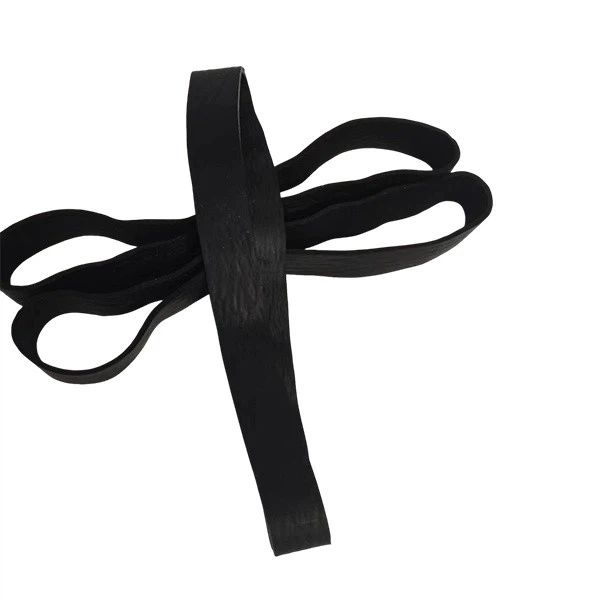
When using thick rubber bands for this purpose, it's important to choose the right size and strength. The rubber band should be thick enough to hold the plant securely but not so tight that it restricts growth. You can find a variety of thick rubber bands suitable for gardening, such as Thick Black Rubber Bands, which offer a good balance of strength and flexibility.
Bundling and Training Plants
Thick rubber bands can also be used to bundle and train plants. This is particularly useful for plants with multiple stems or branches that need to be kept together or shaped. For instance, if you have a group of young plants that you want to grow in a single container, you can use a thick rubber band to gently bundle them at the base. This will help them grow upright and prevent them from spreading out too much.

In addition, thick rubber bands can be used to train climbing plants, such as ivy or clematis, to grow along a trellis or fence. By attaching the plant to the support structure with a rubber band, you can guide its growth in the desired direction. As the plant grows, you can adjust the rubber band to accommodate its increasing size.
Protecting Plants from Pests
Another interesting application of thick rubber bands in gardening is pest control. Some pests, such as aphids and caterpillars, can be deterred by the presence of rubber bands. You can wrap a thick rubber band around the base of a plant or around a branch to create a physical barrier that pests are less likely to cross.
The texture and smell of rubber can be unappealing to many insects, making it an effective natural deterrent. Additionally, the rubber band can help keep the plant's leaves and branches together, reducing the hiding places for pests.
Harvesting and Storage
Thick rubber bands can also come in handy during the harvesting and storage of garden produce. For example, when harvesting bunches of herbs or vegetables, you can use a thick rubber band to tie them together. This makes it easier to handle and store the produce, and it also helps keep it fresh for longer.
When storing fruits or vegetables in a container, you can use a thick rubber band to seal the lid tightly. This will prevent air and moisture from getting in, which can help preserve the quality of the produce.
Choosing the Right Thick Rubber Bands for Gardening
When selecting thick rubber bands for gardening, there are several factors to consider. First, you need to choose a rubber band that is made from high-quality materials. The rubber should be durable and resistant to weather conditions, such as sunlight, rain, and temperature changes.
Second, consider the size and strength of the rubber band. The size will depend on the specific application. For example, if you're using the rubber band to secure a large plant to a stake, you'll need a thicker and stronger rubber band than if you're using it to bundle a small group of herbs. You can explore different options, like 1 Inch Thick Rubber Bands or Large Thick Rubber Bands, to find the right fit for your needs.
Finally, think about the color of the rubber band. While color may not seem important, it can actually have an impact on the appearance of your garden. You may want to choose a color that blends in with the plants or the surrounding environment.
Tips for Using Thick Rubber Bands in Gardening
Here are some practical tips to help you use thick rubber bands effectively in your garden:
- Inspect the rubber bands regularly: Over time, rubber bands can deteriorate due to exposure to the elements. Check the rubber bands periodically to make sure they are still in good condition and replace them if necessary.
- Avoid over-tightening: When using rubber bands to secure plants, make sure not to tighten them too much. This can damage the plant's stem or branches and restrict its growth.
- Use multiple rubber bands if needed: For larger plants or heavier loads, you may need to use multiple rubber bands to provide adequate support.
- Clean the rubber bands: If the rubber bands get dirty or covered in plant sap, clean them with a mild soap and water solution. This will help extend their lifespan.
Conclusion
In conclusion, thick rubber bands can be a valuable tool in gardening. They offer a versatile and cost-effective solution for securing plants, training growth, protecting against pests, and facilitating harvesting and storage. As a thick rubber band supplier, I encourage you to explore the many uses of thick rubber bands in your garden and see the benefits for yourself.
If you're interested in purchasing high-quality thick rubber bands for your gardening needs, I invite you to contact me for more information and to discuss your specific requirements. We offer a wide range of thick rubber bands in different sizes, colors, and strengths to meet the diverse needs of gardeners. Let's work together to make your garden thrive!
References
- Smith, J. (2020). Gardening Basics: Tools and Techniques. Green Thumb Publishing.
- Johnson, A. (2019). Natural Pest Control in the Garden. Sustainable Living Press.