

Natural rubber rollers are a common and important component in various industrial and commercial applications. As a natural rubber color supplier, I often get asked about the color of natural rubber rollers. In this blog post, I'll delve into the topic, exploring the natural color of rubber, factors that can affect it, and the implications for different industries.
The Natural Color of Rubber
Natural rubber, in its purest form, is a milky - white substance. When latex is extracted from rubber trees (Hevea brasiliensis, the most common source of natural rubber), it has a creamy, off - white appearance. This is because the latex contains a mixture of water, rubber particles, proteins, lipids, and other substances.
When the latex is processed to make rubber products like rollers, the initial color is still a light, creamy white. This natural color is a result of the chemical composition of rubber, which is mainly made up of polyisoprene. Polyisoprene is a polymer with a structure that doesn't absorb visible light in a way that would give it a distinct color other than the pale white hue.
Factors Affecting the Color of Natural Rubber Rollers
However, the color of natural rubber rollers can deviate from the pure white for several reasons:
Oxidation
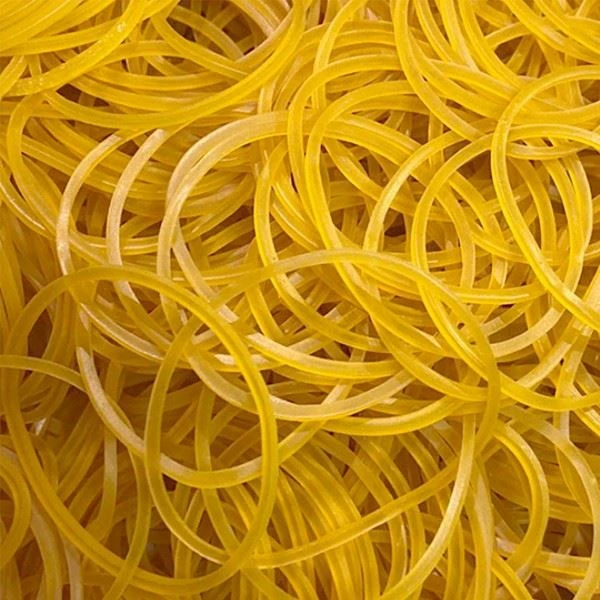
One of the most common factors is oxidation. When natural rubber is exposed to air, oxygen in the air reacts with the rubber molecules. This oxidation process can cause the rubber to turn yellowish - brown over time. The degree of oxidation depends on several factors, including the duration of exposure to air, temperature, and the presence of catalysts such as metal ions. For example, in a hot and humid environment, the oxidation process can be accelerated, leading to a more pronounced color change.
Additives
Manufacturers often add various additives to natural rubber to enhance its properties. These additives can have an impact on the color of the rubber rollers. For instance, antioxidants are commonly added to prevent oxidation and extend the lifespan of the rubber. Some antioxidants may have a slight color of their own, which can tint the rubber. Similarly, fillers like carbon black are added to improve the strength and wear resistance of the rubber. Carbon black is black in color, so when it is added in significant amounts, it can turn the rubber roller black.
Contamination
During the manufacturing process, rubber can be contaminated with other substances. For example, if the equipment used in the production is not properly cleaned, residues from previous batches or other materials can mix with the rubber. This can result in a change in the color of the rubber roller. Even small amounts of contaminants can cause noticeable color variations.
Color and Industry Applications
The color of natural rubber rollers can have different implications depending on the industry in which they are used:
Printing Industry
In the printing industry, the color of the rubber roller can be crucial. For high - quality printing, rollers need to be free from any color variations that could affect the transfer of ink. A white or light - colored roller is often preferred as it allows for better visual inspection of the ink distribution. Any discoloration could indicate a problem with the roller's surface or the ink itself. If a roller has turned yellow due to oxidation, it might need to be replaced to ensure consistent print quality.
Food and Beverage Industry
In the food and beverage industry, the color of rubber rollers is also important for hygiene and safety reasons. Light - colored rollers are generally preferred as they make it easier to detect any contamination or debris. Additionally, the rubber used in this industry must meet strict regulations regarding the use of additives. Any color change could be a sign of degradation or the presence of harmful substances, which is a major concern in food - handling applications.
Textile Industry
In the textile industry, rubber rollers are used for various processes such as dyeing and finishing. The color of the roller can affect the appearance of the fabric. For example, if a roller has a dark color due to the addition of carbon black or other pigments, there is a risk of color transfer to the fabric. Therefore, in applications where color - sensitive fabrics are being processed, light - colored or white rollers are often used.
Our Natural Rubber Color Offerings
As a natural rubber color supplier, we understand the importance of providing high - quality rubber with consistent color. We offer a range of natural rubber products with different color options to meet the diverse needs of our customers.
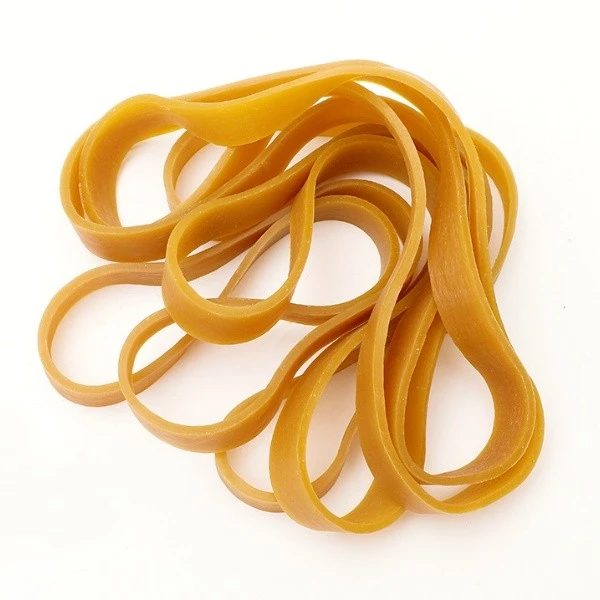
If you are looking for Premium Rubber Bands, we have a selection of bands with a pure, natural color. These bands are made from high - grade natural rubber and are carefully processed to maintain their original white color. They are ideal for applications where a clean and natural look is required.
Our Pure Rubber Bands are another option. These bands are free from most additives, ensuring a very close - to - natural color. They are suitable for industries where minimal color interference is crucial, such as in some scientific or precision applications.
For those who need a larger quantity, our Bundle Rubber Bands are available. We can provide these bands in different colors, depending on your requirements. Whether you need a standard white color or a custom - tinted rubber, we have the capabilities to meet your needs.
Contact Us for Procurement
If you are in the market for natural rubber products, including rubber rollers, and have specific color requirements, we would love to hear from you. Our team of experts can assist you in choosing the right product based on your application and color preferences. We are committed to providing high - quality natural rubber products with consistent color and excellent performance.
References
- Morton, M. (1995). Rubber Technology. Chapman & Hall.
- Mark, J. E., Erman, B., & Eirich, F. R. (Eds.). (2005). Science and Technology of Rubber. Academic Press.
- "Natural Rubber: Properties and Applications." Rubber Manufacturers Association.