

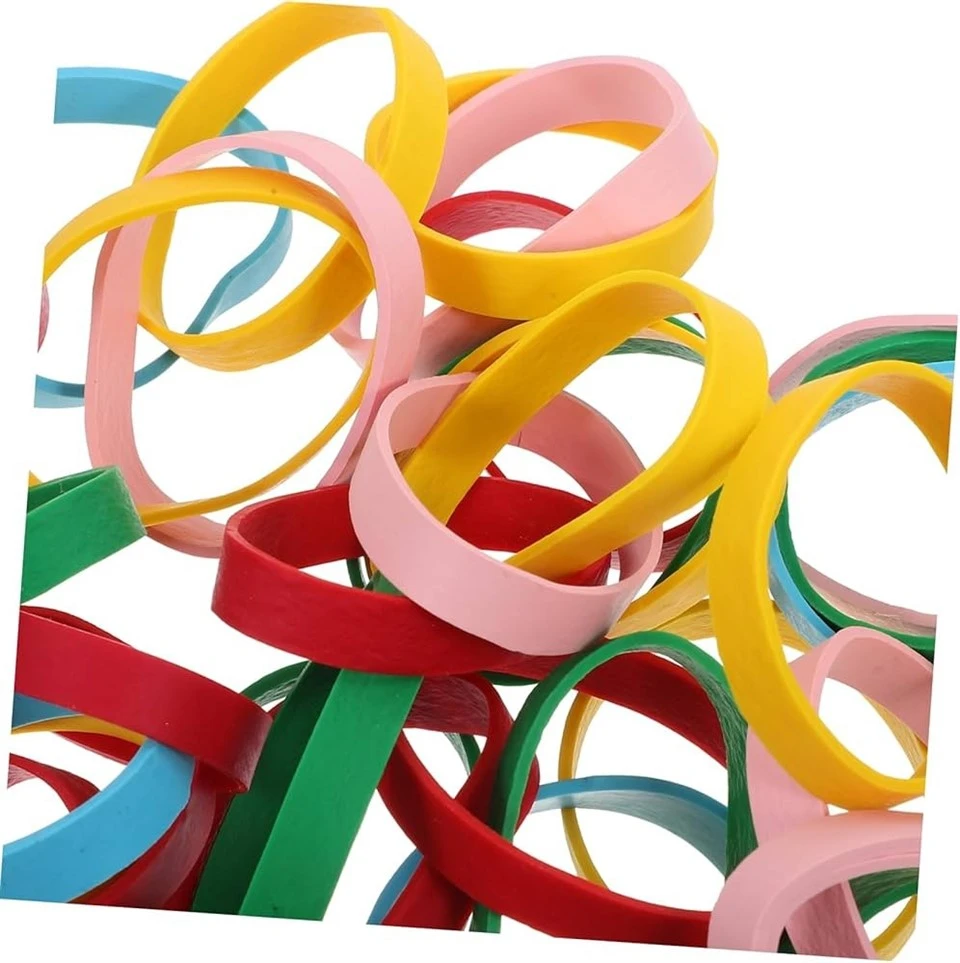
Colored rubber bands are a versatile and popular product, used in a wide range of applications from crafting and packaging to office organization. As a supplier of [colored rubber bands], I often receive questions from customers about the longevity and quality of these bands, particularly whether they become sticky over time. In this blog post, I'll explore the science behind rubber band stickiness, factors that can contribute to it, and how to prevent or address this issue.
The Science of Rubber Band Stickiness
To understand why colored rubber bands might become sticky, it's important to first understand the nature of rubber. Rubber is a polymer, a large molecule made up of repeating subunits. Natural rubber, which is derived from the sap of rubber trees, consists mainly of polyisoprene. Synthetic rubbers, on the other hand, can be made from a variety of monomers, such as styrene - butadiene or neoprene.
Over time, rubber can undergo a process called oxidation. Oxidation is a chemical reaction in which rubber molecules react with oxygen in the air. This reaction can break down the polymer chains in the rubber, causing it to lose its elasticity and become brittle or sticky. When rubber oxidizes, it can release small molecules called plasticizers, which are added to rubber to make it more flexible. These plasticizers can migrate to the surface of the rubber band, making it feel sticky.
Another factor that can contribute to stickiness is the presence of additives in the colored rubber bands. To achieve different colors, manufacturers often add pigments or dyes to the rubber. Some of these additives may interact with the rubber polymer or with each other over time, leading to changes in the rubber's physical properties, including stickiness.
Factors Affecting Stickiness
Several factors can influence whether colored rubber bands become sticky over time.

Storage Conditions
The way you store colored rubber bands can have a significant impact on their longevity. Exposure to high temperatures, humidity, and sunlight can accelerate the oxidation process. For example, if rubber bands are stored in a hot, damp attic or in direct sunlight, they are more likely to become sticky compared to those stored in a cool, dry place.
Quality of the Rubber
The quality of the rubber used in the bands also matters. Higher - quality rubbers often contain better antioxidants and stabilizers, which can slow down the oxidation process. As a supplier, I ensure that the colored rubber bands we offer are made from high - quality materials to minimize the risk of stickiness.
Duration of Use
The longer a rubber band is in use, the more likely it is to become sticky. Continuous stretching and relaxation of the rubber band can cause mechanical stress on the polymer chains, making them more susceptible to oxidation.
Preventing Stickiness
There are several steps you can take to prevent colored rubber bands from becoming sticky.
Proper Storage
Store your colored rubber bands in a cool, dry place away from direct sunlight. A plastic container or a sealed bag can help protect the bands from air and moisture. You can also add a desiccant, such as silica gel, to the storage container to absorb any excess moisture.
Avoid Over - Stretching
Try not to stretch rubber bands beyond their recommended limits. Over - stretching can damage the polymer chains in the rubber, increasing the likelihood of oxidation and stickiness.
Choose High - Quality Bands
When purchasing colored rubber bands, choose products from a reputable supplier. High - quality bands are more likely to be resistant to oxidation and stickiness. Our Wide Colored Rubber Bands, Big Colored Rubber Bands, and Packaging Rubber Bands are made from premium materials and are designed to maintain their quality over time.
Addressing Stickiness
If your colored rubber bands have already become sticky, there are a few things you can do.
Cleaning
You can try cleaning the sticky rubber bands with mild soap and water. Gently wash the bands, then rinse them thoroughly and let them dry completely. This can remove any surface contaminants and some of the migrated plasticizers.
Freezing
Another method is to freeze the sticky rubber bands. Place them in a plastic bag and put them in the freezer for a few hours. The cold temperature can harden the plasticizers on the surface, making it easier to wipe them off.
Conclusion
In conclusion, while colored rubber bands can become sticky over time due to oxidation, the presence of additives, and other factors, there are ways to prevent and address this issue. By storing the bands properly, choosing high - quality products, and taking appropriate care, you can ensure that your colored rubber bands remain in good condition for a long time.
As a supplier of colored rubber bands, I am committed to providing high - quality products that meet your needs. Whether you are looking for Wide Colored Rubber Bands for crafting, Big Colored Rubber Bands for heavy - duty applications, or Packaging Rubber Bands for your business, we have a wide range of options available.
If you are interested in purchasing colored rubber bands or have any questions about our products, please feel free to reach out. We would be happy to discuss your requirements and provide you with a customized solution.
References
- "The Science of Rubber", Polymer Science Journal, Volume 23, Issue 4
- "Oxidation of Rubber and Its Prevention", Rubber Technology Review, Volume 15, Issue 2
- "Effect of Additives on the Properties of Colored Rubber", Journal of Applied Polymer Science, Volume 35, Issue 6