

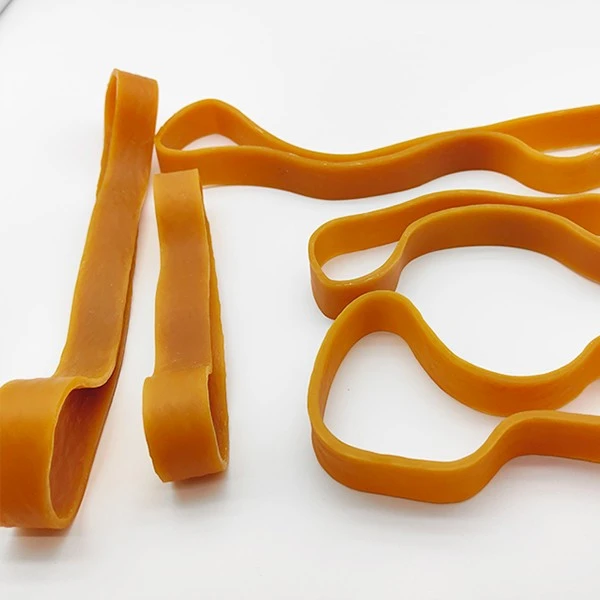
As a supplier of large rubber bands, I often encounter customers who are concerned about the longevity and quality of their rubber bands, especially the issue of drying out. Drying out can lead to a loss of elasticity, brittleness, and ultimately, a shorter lifespan for the rubber bands. In this blog post, I'll share some effective strategies to prevent large rubber bands from drying out, ensuring they remain in top - notch condition for as long as possible.

Understanding the Science Behind Rubber Drying
Before diving into prevention methods, it's essential to understand why rubber bands dry out. Rubber is a polymer material that contains natural or synthetic elastomers. Over time, exposure to various environmental factors can cause the rubber to break down. Oxygen in the air can react with the rubber molecules through a process called oxidation. This reaction can cause the rubber to lose its flexibility and become hard and brittle. Ultraviolet (UV) light from the sun can also have a similar effect, as it can break the chemical bonds in the rubber. Additionally, extreme temperatures, both high and low, can accelerate the drying and degradation process.
Storage Conditions
One of the most crucial factors in preventing rubber bands from drying out is proper storage. Here are some storage tips:
Temperature and Humidity Control
Rubber bands should be stored in a cool, dry place. High temperatures can speed up the oxidation process, while excessive humidity can lead to mold growth, which can also damage the rubber. The ideal temperature range for storing rubber bands is between 10°C (50°F) and 25°C (77°F). A relative humidity of around 40 - 60% is also recommended. You can use a hygrometer to monitor the humidity in the storage area and a dehumidifier or humidifier to adjust it if necessary.
Avoiding Direct Sunlight
UV light is a major enemy of rubber. Direct sunlight can cause the rubber to become discolored, dry, and brittle. Therefore, store your large rubber bands in a dark place, such as a closed cabinet or a storage box. If you need to keep them in a visible area, consider using opaque containers to block out the light.
Separation and Organization
When storing rubber bands, it's important to keep them separated. If rubber bands are bunched together tightly, they can stick to each other, which can damage the rubber surface and accelerate drying. You can use small containers or zip - lock bags to store individual rubber bands or groups of rubber bands. Labeling the containers can also help you keep track of different sizes and types of rubber bands, such as Large Heavy Duty Rubber Bands, Extra Wide Rubber Bands, and High Strength Rubber Bands.
Protective Coatings
Applying a protective coating to the rubber bands can help prevent drying and oxidation. There are several types of coatings that can be used:
Silicone - Based Lubricants
Silicone - based lubricants create a thin, protective layer on the surface of the rubber. This layer acts as a barrier against oxygen and moisture, reducing the rate of oxidation and drying. You can apply a small amount of silicone lubricant to the rubber bands using a clean cloth or a brush. Make sure to spread the lubricant evenly over the entire surface of the rubber band.
Rubber Conditioners
There are specialized rubber conditioners available in the market. These products are designed to moisturize the rubber and restore its elasticity. They often contain ingredients such as lanolin, which can penetrate the rubber and keep it soft and flexible. Follow the instructions on the product label when applying the rubber conditioner.
Handling and Usage
Proper handling and usage of rubber bands can also contribute to their longevity.
Avoid Overstretching
When using large rubber bands, avoid overstretching them. Overstretching can cause the rubber molecules to break, which can lead to a loss of elasticity and an increased risk of drying. Always use the appropriate size and strength of rubber bands for your application. If you need to secure a heavy object, choose High Strength Rubber Bands to ensure they can handle the load without excessive stretching.
Cleanliness
Keep the rubber bands clean. Dirt, dust, and other contaminants can accumulate on the surface of the rubber, which can accelerate the drying process. You can clean the rubber bands with a mild soap and water solution. After cleaning, make sure to dry them thoroughly before storing them.
Regular Inspection
Regularly inspect your large rubber bands for signs of drying or damage. Look for any cracks, discoloration, or loss of elasticity. If you notice any issues, take action immediately. You can apply a rubber conditioner or replace the damaged rubber bands to prevent further problems.
Product - Specific Considerations
Different types of large rubber bands may have specific requirements for preventing drying. For example, Extra Wide Rubber Bands may be more prone to drying at the edges due to their larger surface area. Pay extra attention to these areas during inspection and storage. Similarly, Large Heavy Duty Rubber Bands may be used in more demanding applications, so they may require more frequent inspection and maintenance.
Conclusion
Preventing large rubber bands from drying out requires a combination of proper storage, protective coatings, correct handling, and regular inspection. By following these tips, you can significantly extend the lifespan of your rubber bands and ensure they remain in good condition for your various applications.
As a supplier of large rubber bands, I am committed to providing high - quality products and sharing valuable knowledge with my customers. If you have any questions about our Large Heavy Duty Rubber Bands, Extra Wide Rubber Bands, or High Strength Rubber Bands, or if you are interested in purchasing our products, please feel free to contact us for further discussions. We are here to help you find the best rubber band solutions for your needs.
References
- "Handbook of Elastomers" by Henry H. Kausch
- "Rubber Technology: Compounding, Testing, and Applications" by J. S. Dick
- Technical documents from rubber manufacturing associations