

Hey there! I'm a supplier of yellow rubber bands, and I've seen my fair share of snapped bands over the years. It's a real pain, especially when you're counting on those bands to hold things together. But don't worry, I've got some tips and tricks to help you prevent your yellow rubber bands from snapping.
Understanding Why Rubber Bands Snap
Before we dive into the prevention methods, let's first understand why rubber bands snap in the first place. Rubber bands are made from natural or synthetic rubber, which is a polymer. Polymers are long chains of molecules that are flexible and elastic. When you stretch a rubber band, you're actually pulling these chains apart. If you stretch the band too far, the chains can break, causing the band to snap.
Another factor that can cause rubber bands to snap is aging. Over time, rubber bands can dry out and become brittle. This is especially true if they're exposed to heat, sunlight, or chemicals. When a rubber band becomes brittle, it's more likely to snap when you stretch it.
Storing Your Yellow Rubber Bands Properly
One of the easiest ways to prevent your yellow rubber bands from snapping is to store them properly. Here are some tips:
- Keep them in a cool, dry place: Heat and humidity can cause rubber bands to dry out and become brittle. So, store your rubber bands in a cool, dry place, like a drawer or a cabinet.
- Avoid direct sunlight: Sunlight can also cause rubber bands to dry out and fade. So, keep your rubber bands away from windows or other sources of direct sunlight.
- Store them in a sealed container: This will help protect them from dust, dirt, and other contaminants. You can use a plastic bag, a jar, or a special rubber band storage container.
Using the Right Size and Type of Rubber Band
Using the right size and type of rubber band is also important for preventing them from snapping. Here are some things to consider:
- Choose the right size: Make sure you choose a rubber band that's the right size for the job. If the band is too small, it will be more likely to snap when you stretch it. If it's too large, it won't hold things together as well.
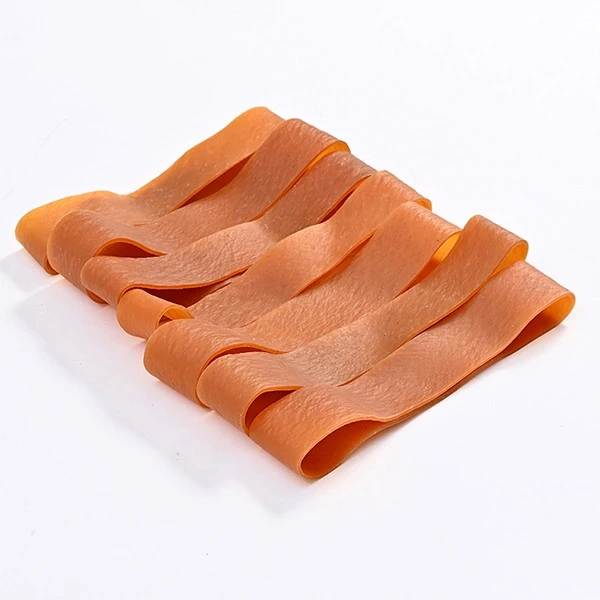
- Choose the right type: There are different types of rubber bands available, each with its own properties. For example, Heavy-duty Rubber Bands are stronger and more durable than regular rubber bands, so they're better for heavy-duty applications. Large Yellow Rubber Bands are great for holding large items together, while Pale Crepe Gold Rubber Bands are more flexible and stretchy.
Avoiding Overstretching Your Rubber Bands
Overstretching is one of the most common causes of rubber band snapping. So, it's important to avoid stretching your rubber bands too far. Here are some tips:
- Don't stretch them more than twice their original length: This is a general rule of thumb, but it may vary depending on the type and size of the rubber band. So, always check the manufacturer's instructions before you stretch a rubber band.
- Use multiple rubber bands if necessary: If you need to hold something together that's heavy or bulky, it's better to use multiple rubber bands instead of one large one. This will distribute the weight evenly and reduce the risk of snapping.
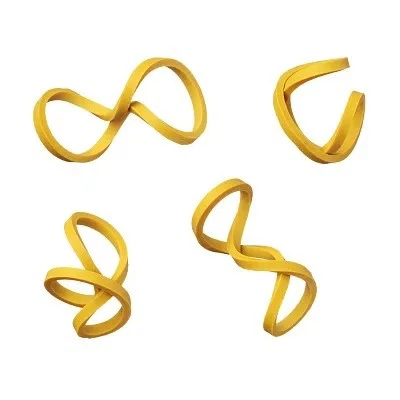
- Don't twist or knot your rubber bands: Twisting or knotting a rubber band can weaken it and make it more likely to snap. So, try to use your rubber bands in a straight, untwisted manner.
Lubricating Your Rubber Bands
Lubricating your rubber bands can also help prevent them from snapping. Here's how:
- Use a silicone spray: Silicone spray is a great lubricant for rubber bands. It helps reduce friction and makes the bands more flexible. Just spray a little bit of silicone spray on the rubber band and rub it in with a cloth.
- Use a natural oil: You can also use a natural oil, like coconut oil or olive oil, to lubricate your rubber bands. Just apply a small amount of oil to the band and rub it in with a cloth.
Inspecting Your Rubber Bands Regularly
Finally, it's important to inspect your rubber bands regularly for signs of wear and tear. Here's what to look for:
- Cracks or splits: If you see any cracks or splits in a rubber band, it's time to replace it. These are signs that the band is weak and more likely to snap.
- Discoloration or fading: Discoloration or fading can also be a sign of aging or damage. If your rubber bands are starting to look dull or faded, it's a good idea to replace them.
- Loss of elasticity: If a rubber band doesn't stretch as much as it used to, or if it doesn't snap back into place when you release it, it's probably time to replace it.
Conclusion
Preventing your yellow rubber bands from snapping is all about taking good care of them. By storing them properly, using the right size and type, avoiding overstretching, lubricating them, and inspecting them regularly, you can extend the life of your rubber bands and reduce the risk of snapping.
If you're in the market for high-quality yellow rubber bands, I'd love to hear from you. Whether you need Heavy-duty Rubber Bands, Large Yellow Rubber Bands, or Pale Crepe Gold Rubber Bands, I've got you covered. Just reach out, and we can discuss your specific needs and find the perfect rubber bands for your business.
References
- "Rubber Band Storage and Care Tips." The Spruce Crafts.
- "How to Choose the Right Rubber Band." DIY Network.
- "Preventing Rubber Band Breakage." Science Buddies.