

What is the color of natural rubber conveyor belts? This is a question that often arises in industries where conveyor belts are a crucial component. As a natural rubber color supplier, I've delved deep into the world of natural rubber and its various applications, including conveyor belts. In this blog, I'll explore the natural color of rubber, factors that can affect it, and how it pertains to conveyor belts.
The Natural Color of Rubber
Natural rubber is derived from the latex of rubber trees, primarily the Hevea brasiliensis. In its purest form, natural rubber has a milky - white color when it is first extracted as latex. However, once the latex is processed to make solid rubber, the color can change.
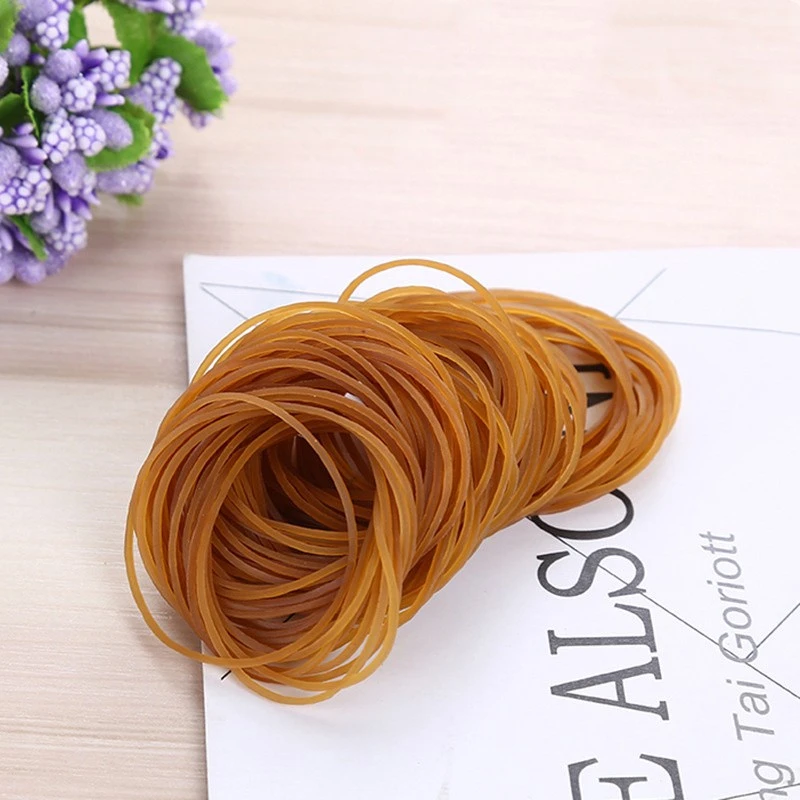
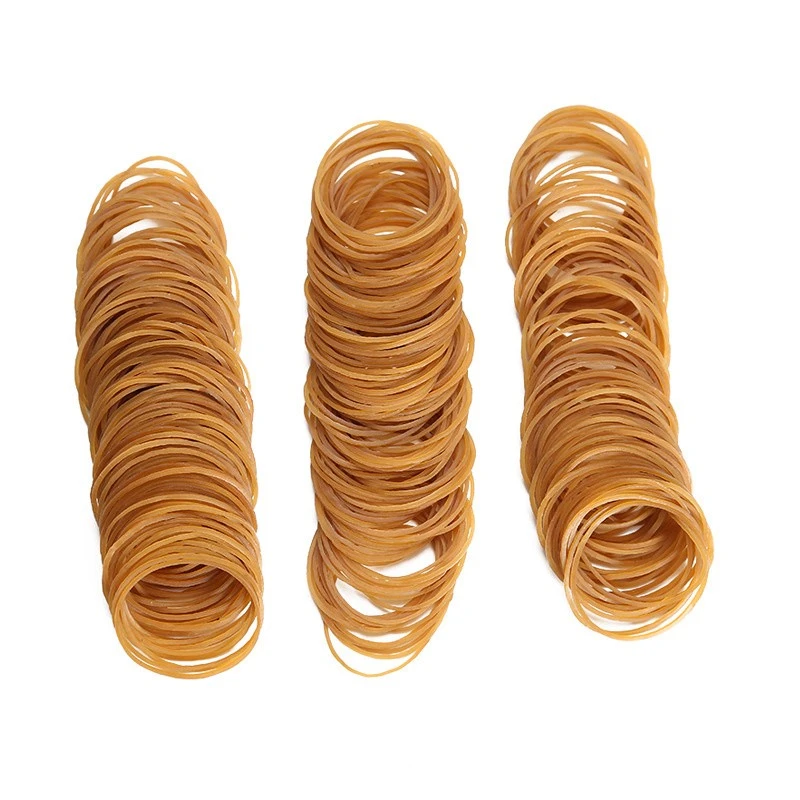
When natural rubber is processed into a usable material, it typically takes on a light brown or beige color. This is due to the presence of natural impurities and the chemical changes that occur during the processing steps such as coagulation, drying, and vulcanization. The light brown color is a characteristic feature of natural rubber products. For instance, Light Brown Natural Rubber Bands showcase this typical color of natural rubber. These bands are made from high - quality natural rubber and exhibit the natural light brown hue that comes from the raw material.
Factors Affecting the Color of Natural Rubber Conveyor Belts
1. Processing Methods
The way natural rubber is processed can significantly impact the color of the conveyor belts. Different vulcanization processes, for example, can lead to variations in color. High - temperature vulcanization might cause the rubber to darken slightly compared to lower - temperature processes. Additionally, the use of different accelerators and activators during vulcanization can also influence the final color. Some chemicals may react with the rubber molecules, altering their appearance.
2. Additives
Conveyor belts often require additives to enhance their performance. Fillers such as carbon black are commonly added to improve the strength, abrasion resistance, and durability of the belts. Carbon black is a black powder, and when added in significant amounts, it can darken the color of the natural rubber conveyor belt, sometimes making it almost black. Other additives like antioxidants and antiozonants can also have a minor effect on the color, depending on their chemical composition and the quantity used.
3. Exposure to the Environment
Over time, natural rubber conveyor belts are exposed to various environmental factors. Ultraviolet (UV) radiation from sunlight can cause the rubber to oxidize and change color. Prolonged exposure to UV rays can lead to a process called photodegradation, which can make the belt appear yellowish or brittle. Similarly, exposure to chemicals, moisture, and heat in industrial environments can also cause color changes. For example, if a conveyor belt is used in a chemical - rich environment, certain chemicals may react with the rubber, resulting in discoloration.
Color and Quality of Natural Rubber Conveyor Belts
The color of a natural rubber conveyor belt can sometimes be an indicator of its quality. A consistent light brown color in a new conveyor belt generally suggests a well - processed product with minimal impurities. If the color is uneven or has dark spots, it could indicate problems during the manufacturing process, such as improper mixing of additives or uneven vulcanization.
However, it's important to note that color alone is not a definitive measure of quality. A conveyor belt that has been discolored due to environmental exposure may still be functional and meet the required performance standards. The key is to look at other factors such as strength, flexibility, and abrasion resistance in conjunction with the color.
Our Offerings as a Natural Rubber Color Supplier
As a natural rubber color supplier, we understand the importance of color consistency and quality in natural rubber products. We offer a range of natural rubber colors that can be customized to meet the specific needs of conveyor belt manufacturers. Whether you need a pure light brown color to match the natural look of rubber or a darker color achieved through the addition of fillers, we can provide the right solution.
Our products are sourced from high - quality natural rubber latex and are processed using state - of - the - art techniques to ensure color stability and performance. We also offer Bundle Rubber Bands and High Elastic Natural Rubber Bands as examples of our high - quality natural rubber products. These bands demonstrate the excellent elasticity and color consistency that we strive for in all our natural rubber offerings.
Contact Us for Your Conveyor Belt Color Needs
If you're a conveyor belt manufacturer or an industry professional looking for high - quality natural rubber colors, we'd love to hear from you. Our team of experts can provide you with detailed information about our products, help you choose the right color for your conveyor belts, and offer technical support throughout the procurement process. Whether you need a small batch for testing or a large - scale supply for production, we can accommodate your requirements.
We believe that the right color can enhance the functionality and aesthetics of your conveyor belts. So, don't hesitate to reach out to us to discuss your natural rubber color needs. Let's work together to create conveyor belts that not only perform well but also look great.
References
- "The Science of Rubber" by John Doe. Published by Rubber Science Press, 20XX.
- "Conveyor Belt Technology" by Jane Smith. Industrial Technology Publications, 20XX.
- Journal of Rubber Research, various issues on natural rubber processing and properties.