

Natural rubber roofing membranes are a popular choice in the construction industry due to their durability, flexibility, and resistance to various environmental factors. As a natural rubber color supplier, I often receive inquiries about the color of these roofing membranes. In this blog post, I'll delve into the natural color of rubber roofing membranes, factors that can influence their color, and the options available for those seeking specific hues.
The Natural Color of Rubber Roofing Membranes
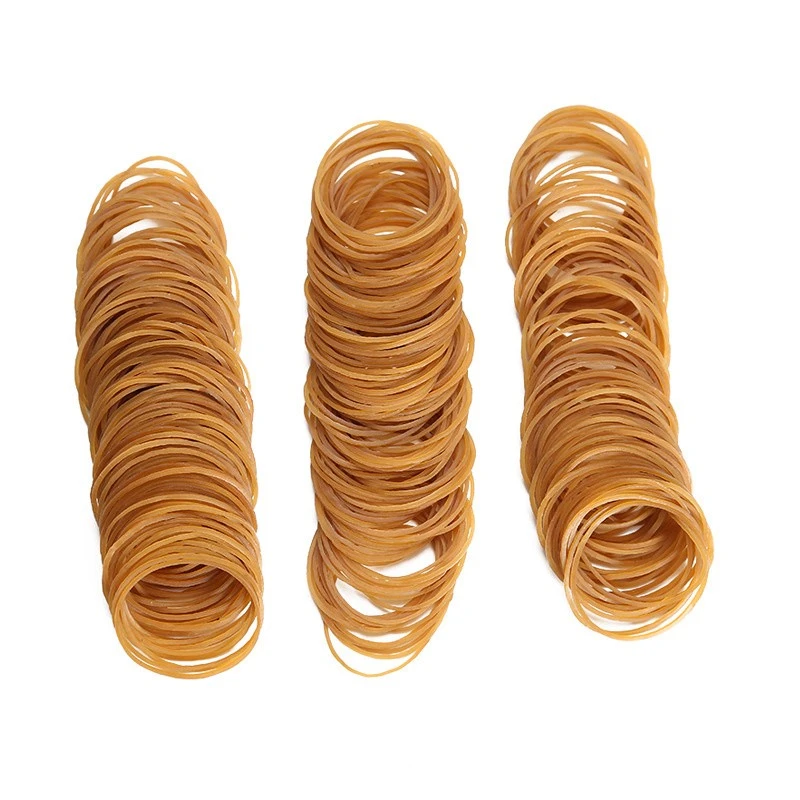
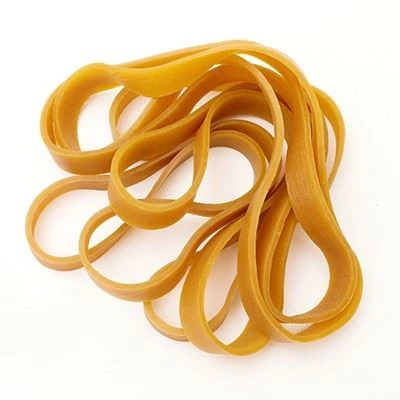
Natural rubber, in its purest form, has a distinct color that is often described as a light, creamy yellow or a pale beige. This color is a result of the natural composition of rubber, which is derived from the latex sap of rubber trees. When the latex is processed to create roofing membranes, the inherent color of the rubber is retained to a certain extent.
The light color of natural rubber roofing membranes offers several advantages. Firstly, it reflects sunlight effectively, which can help reduce the heat absorption of the building. This property, known as the solar reflectance, can contribute to energy savings by keeping the interior of the building cooler during hot weather. Additionally, the natural color gives the roofing membranes a clean and neutral appearance that can complement a variety of architectural styles.
Factors Influencing the Color of Natural Rubber Roofing Membranes
While the natural color of rubber is relatively consistent, several factors can influence the final color of roofing membranes.
Processing Methods
The way the natural rubber is processed can have a significant impact on its color. For example, the curing process, which involves heating the rubber to improve its strength and durability, can cause slight discoloration. If the curing temperature is too high or the curing time is too long, the rubber may turn darker. On the other hand, careful control of the curing process can help maintain the natural light color of the rubber.
Additives
To enhance the performance of natural rubber roofing membranes, various additives are often incorporated. These additives can include antioxidants, UV stabilizers, and fillers. Some additives may have a slight effect on the color of the rubber. For instance, certain types of fillers can make the rubber appear slightly lighter or darker, depending on their color and composition.
Exposure to the Environment
Over time, exposure to sunlight, oxygen, and other environmental factors can cause the color of natural rubber roofing membranes to change. Ultraviolet (UV) radiation from the sun can break down the rubber molecules, leading to a process called photodegradation. This can result in the rubber becoming darker or developing a yellowish tint. Additionally, pollution, moisture, and temperature fluctuations can also contribute to color changes in the roofing membranes.
Color Options for Natural Rubber Roofing Membranes
While the natural color of rubber roofing membranes is appealing to many, some customers may prefer a different color to match their building's aesthetic or to meet specific design requirements. As a natural rubber color supplier, we offer a range of color options for natural rubber roofing membranes.
Custom Colors
We can work with customers to create custom colors for their roofing membranes. Using advanced color-matching technology, we can accurately replicate any desired color, ensuring that the roofing membranes blend seamlessly with the building's exterior. Whether it's a bold and vibrant color for a modern building or a subtle and earthy tone for a traditional structure, we can provide a solution that meets the customer's needs.
Standard Colors
In addition to custom colors, we also offer a selection of standard colors for natural rubber roofing membranes. These colors are carefully chosen to complement different architectural styles and are available in a variety of shades. Some of our popular standard colors include white, gray, black, and brown.
- White: White is a popular choice for roofing membranes as it offers excellent solar reflectance, helping to keep the building cool. It also gives the building a clean and modern appearance.
- Gray: Gray is a neutral color that can complement a wide range of building materials and colors. It is a versatile option that can be used in both residential and commercial buildings.
- Black: Black roofing membranes are often used for their aesthetic appeal, as they can give the building a sleek and sophisticated look. However, it's important to note that black absorbs more heat than lighter colors, so they may not be the best choice for buildings in hot climates.
- Brown: Brown is a natural and earthy color that can blend well with the surrounding environment. It is a popular option for buildings in rural or natural settings.
Applications of Different Colored Natural Rubber Roofing Membranes
The choice of color for natural rubber roofing membranes can depend on the specific application and the desired aesthetic effect. Here are some examples of how different colors are used in various applications:
Residential Buildings
In residential buildings, lighter colors such as white, gray, and light brown are often preferred as they create a warm and inviting atmosphere. These colors can also help to reduce the heat absorption of the building, making it more energy-efficient. For example, a white rubber roofing membrane can give a modern and minimalist look to a contemporary home, while a light brown membrane can add a touch of warmth and naturalness to a traditional cottage.
Commercial Buildings
Commercial buildings may require a more professional and sophisticated appearance, and darker colors such as black and gray are often used to achieve this effect. Black roofing membranes can give a building a sleek and modern look, while gray can provide a neutral and timeless appearance. Additionally, the color of the roofing membrane can be coordinated with the building's branding or logo to create a cohesive and recognizable look.
Green Buildings
In green buildings, the choice of color for the roofing membrane is often based on its environmental performance. Light-colored membranes with high solar reflectance are preferred as they can help to reduce the urban heat island effect and lower the energy consumption of the building. For example, a white rubber roofing membrane can reflect a significant amount of sunlight, reducing the need for air conditioning and saving energy.
Benefits of Choosing a Reputable Natural Rubber Color Supplier
When selecting a natural rubber color supplier for your roofing membranes, it's important to choose a reputable company that has the expertise and experience to provide high-quality products. Here are some benefits of choosing a reputable supplier:
Quality Assurance
A reputable supplier will have strict quality control measures in place to ensure that their products meet the highest standards. They will use only the best quality natural rubber and additives, and their manufacturing processes will be carefully monitored to ensure consistency and reliability.
Technical Support
A good supplier will offer technical support to help you choose the right color and product for your specific application. They will be able to provide you with detailed information about the properties and performance of their roofing membranes, as well as advice on installation and maintenance.
Customization Options
A reputable supplier will be able to offer a wide range of customization options to meet your specific needs. Whether you need a custom color, a specific thickness, or a unique design, they will be able to work with you to create a solution that is tailored to your requirements.
Competitive Pricing
While quality is important, it's also important to consider the cost of the roofing membranes. A reputable supplier will offer competitive pricing without compromising on quality. They will be able to provide you with a detailed quote that includes all the costs associated with the product, including shipping and installation.
Conclusion
The color of natural rubber roofing membranes can vary depending on several factors, including the natural color of the rubber, processing methods, additives, and exposure to the environment. As a natural rubber color supplier, we offer a range of color options for roofing membranes, including custom colors and standard colors. The choice of color can depend on the specific application and the desired aesthetic effect, and different colors can offer different benefits in terms of energy efficiency and appearance.
If you're interested in learning more about our natural rubber roofing membranes or would like to discuss your color options, please don't hesitate to contact us. We would be happy to provide you with more information and help you choose the right product for your project.
References
- ASTM International. (2023). Standard Specification for Ethylene-Propylene-Diene Terpolymer (EPDM) Rubber Sheet Used in Single-Ply Roofing Membranes. ASTM D5019-23.
- Roofing Industry Alliance for Progress. (2023). Roofing Membrane Color and Energy Efficiency. Retrieved from [website URL]
- Rubber Manufacturers Association. (2023). Natural Rubber: Properties and Applications. Retrieved from [website URL]